How a Gulf Rift Opened a Second Front for Iran
Read More
APT Profile: Salt Typhoon
Read More
The Siege of the Republic of Iran
Read More
When AI Finds a Software Flaw, Who Decides When the Affected Vendor Is Told?
Read More
Evolving Nature of Terrorism since the September 11 Attacks: al-Qaeda and ISIS Affiliates
Read More

Promoting Evidence-based Policy and Good Governance

shutterstock 2399808119 scaled

Defense & Security, Middle East

Oct 1 , 2026

Op-Ed

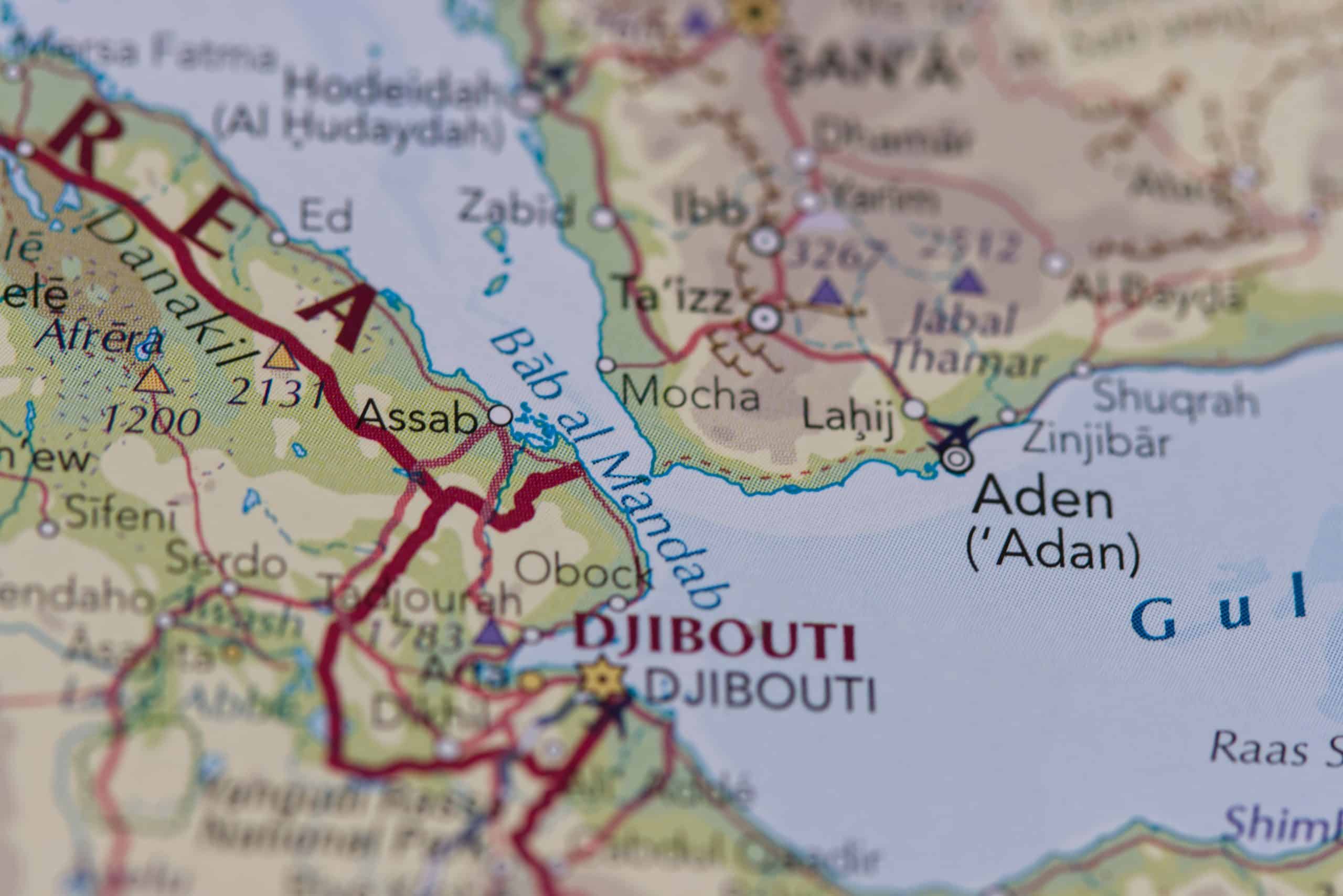
As of mid-September, the Houthis, after capturing Mokha, the Hanish Islands, and Mayun, hold physical control over the approaches to Bab el-Mandeb, the chokepoint through which a large share of Red Sea shipping must pass. Saudi Arabia has begun mobilizing a direct military response to reverse those gains, but even

shutterstock 2524928761 scaled

OPI-ROCCA

Sep 25 , 2026

Projects

The ROCCA project examines significant cyber incidents and the actors behind them to identify patterns in cyber threats, their targets, and their broader security implications. These APT profiles provide background on the groups responsible for major incidents documented in the ROCCA dataset. Country of Origin China Threat Actor Type State-sponsored

shutterstock 2757662431 scaled

Defense & Security, Middle East

Sep 23 , 2026

Policy Brief

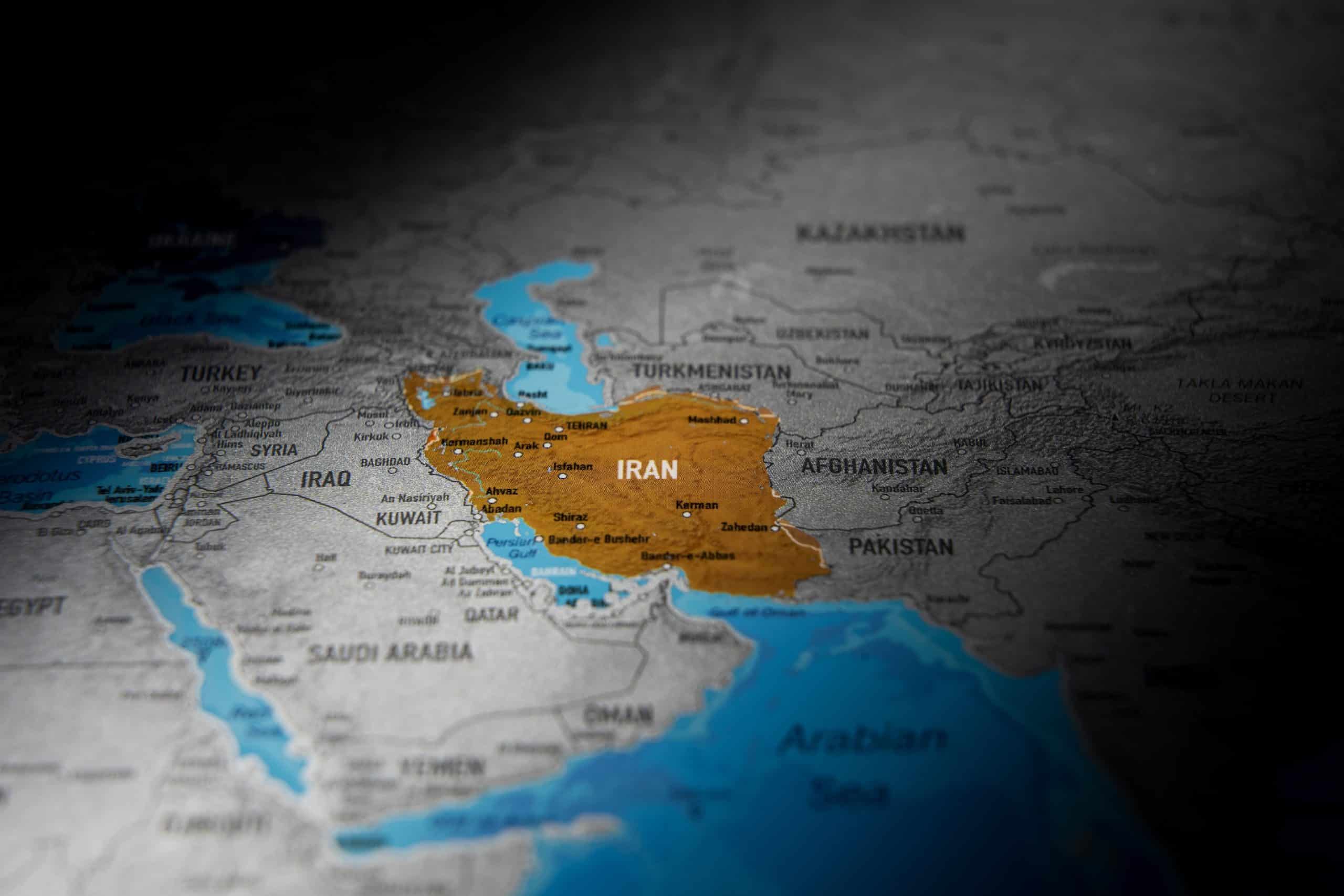
Following months of U.S. and Israeli attacks against Iran and repeated diplomatic efforts and ceasefires, the U.S. administration has shifted to a strategy of increased economic pressure against Iran under Operation Economic Outcast. The White House has framed the current strategic shift as primarily an economic campaign (with a dual

shutterstock 2417477199 scaled

OPI-ROCCA, NextGen

Sep 16 , 2026

Projects

Introduction In December 2024, a cyberattack against the U.S. Department of the Treasury did not begin inside the Treasury. A Chinese state-sponsored actor gained access through a compromised third-party cybersecurity provider. The incident exposed a fundamental problem of modern cyber governance: governments are increasingly responsible for protecting digital infrastructure they

shutterstock 2716758371 scaled

Cybersecurity, Technology

Sep 14 , 2026

Op-Ed

In July 2026, the Trump Administration announced GOLD EAGLE, a new federal clearinghouse with the goal of improving cybersecurity vulnerability coordination, using artificial intelligence (AI) to identify software flaws and speed up the time it takes to fix them. While a commendable and necessary effort, the current public details on

shutterstock 2598353057 scaled

Defense & Security, Terrorism & Extremism, Africa, Middle East

Sep 8 , 2026

Policy Brief

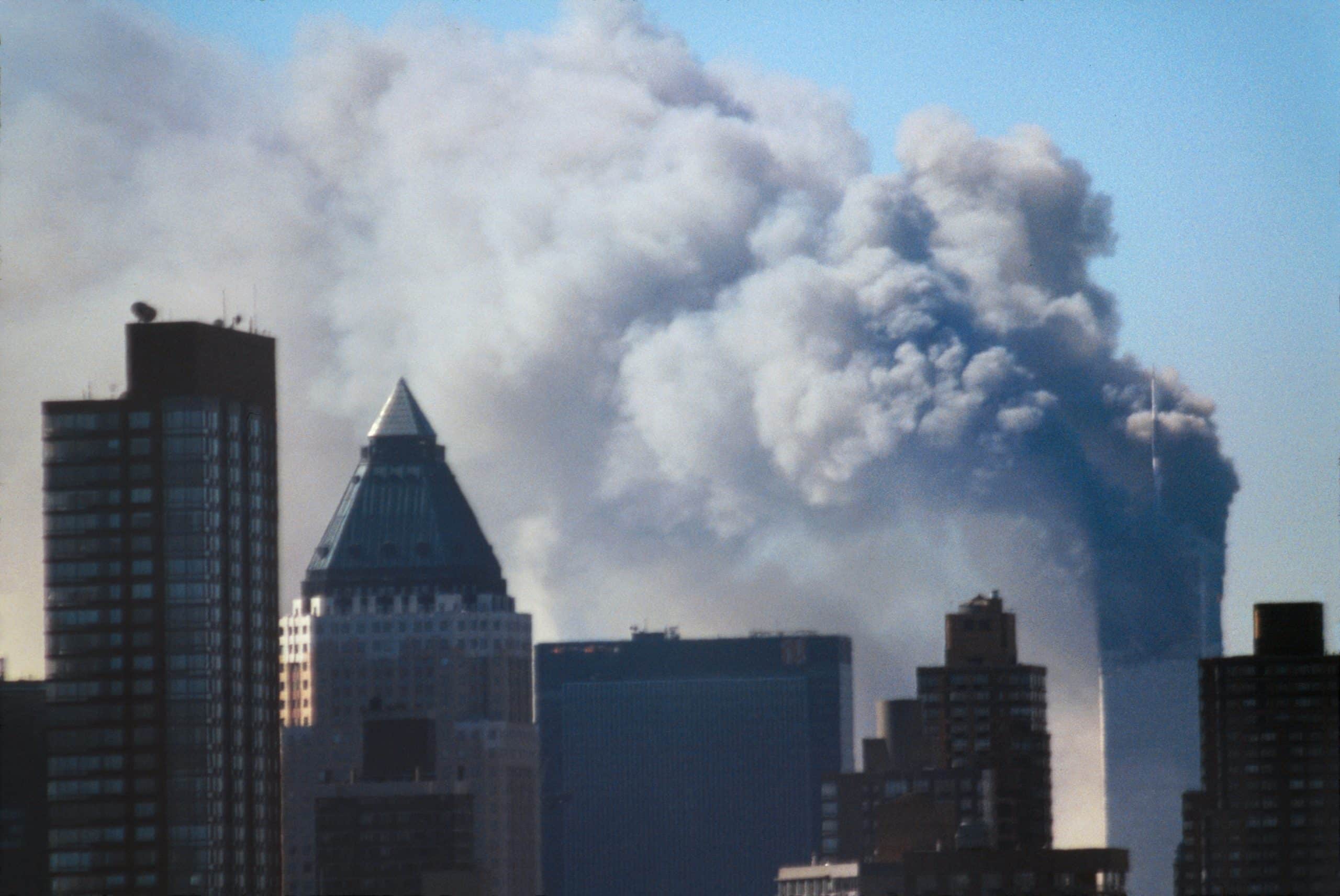
The terrorism threat landscape has changed substantially since September 11, 2001. Over the last quarter of a century, counterterrorism efforts disrupted terrorist networks and decapitate several senior leaders, including the founder of al Qaeda, Usama bin Laden, and his successors, as well as ISIS leadership. Despite al Qaeda being pushed

shutterstock 2760060277 2 scaled

Defense & Security, Technology

Sep 5 , 2026

Policy Brief

Introduction Artificial intelligence (AI) is seeping steadily into strategic nuclear affairs. In 2018, a RAND Corporation study reasoned that by 2040, an AI could advise humans on matters of escalation without connecting directly to nuclear launchers, based on the progress AI is making in “increasingly complex and poorly specified tasks.”[1]

shutterstock 2760024967 scaled

Data Privacy & Governance Hub

Sep 3 , 2026

Projects

Key Takeaways Researchers at Brigham Young University (BYU) reported that some educational technology (EdTech) applications used in Utah K-12 schools collected and shared student data in ways that violated privacy agreements. Utah House Bill 55, which took effect on July 1, 2026, increased privacy requirements for EdTech vendors by allowing

shutterstock 2450565369 scaled

Defense & Security, Middle East

Jul 23 , 2026

Policy Brief

Since the beginning of Operation Epic Fury, the United States spent about forty days in major combat operations against the Republic of Iran, followed by just over ninety days of a fragile ceasefire framework and attempted negotiations, punctuated by intermittent kinetic operations. As Iranian attacks on commercial ships in the

shutterstock 2745749977 scaled

Cybersecurity, Technology

Jul 9 , 2026

Policy Brief

Anthropic’s Mythos/Fable model ban showed Washington acting on a lab signal it could measure while flying blind on the one it can’t. On June 12, the Commerce Department ordered Anthropic to cut off foreign-national access to its two most capable models, Fable 5 and Mythos 5. The reason, according to

shutterstock 2313721055 scaled

Defense & Security, Americas, OPI-TCP

Jul 1 , 2026

Research Report

Introduction This project evaluates how the 2025 National Security Strategy positions Mexico within U.S. homeland defense and regional security, measuring the alignment between strategic objectives, NORTHCOM/SOUTHCOM posture statements, and operational resourcing. We evaluate these positions to understand Mexico’s place in the current Trump administration’s hemispheric strategies. Mexico’s role in U.S.

shutterstock 2755989607 scaled

Defense & Security, Middle East

Jun 29 , 2026

Policy Brief

Following the intensification of the Israeli-US military campaign against Iran’s nuclear program in spring 2025, the region stretching from the Gulf to the Mediterranean has entered a new phase of strategic turbulence. Beyond missile strikes, air operations, and tensions over Iran’s nuclear program, the conflict is highlighting a deeper transformation

shutterstock 612394862 scaled

Defense & Security, Terrorism & Extremism, Africa, Europe & Central Asia

May 6 , 2026

Policy Brief

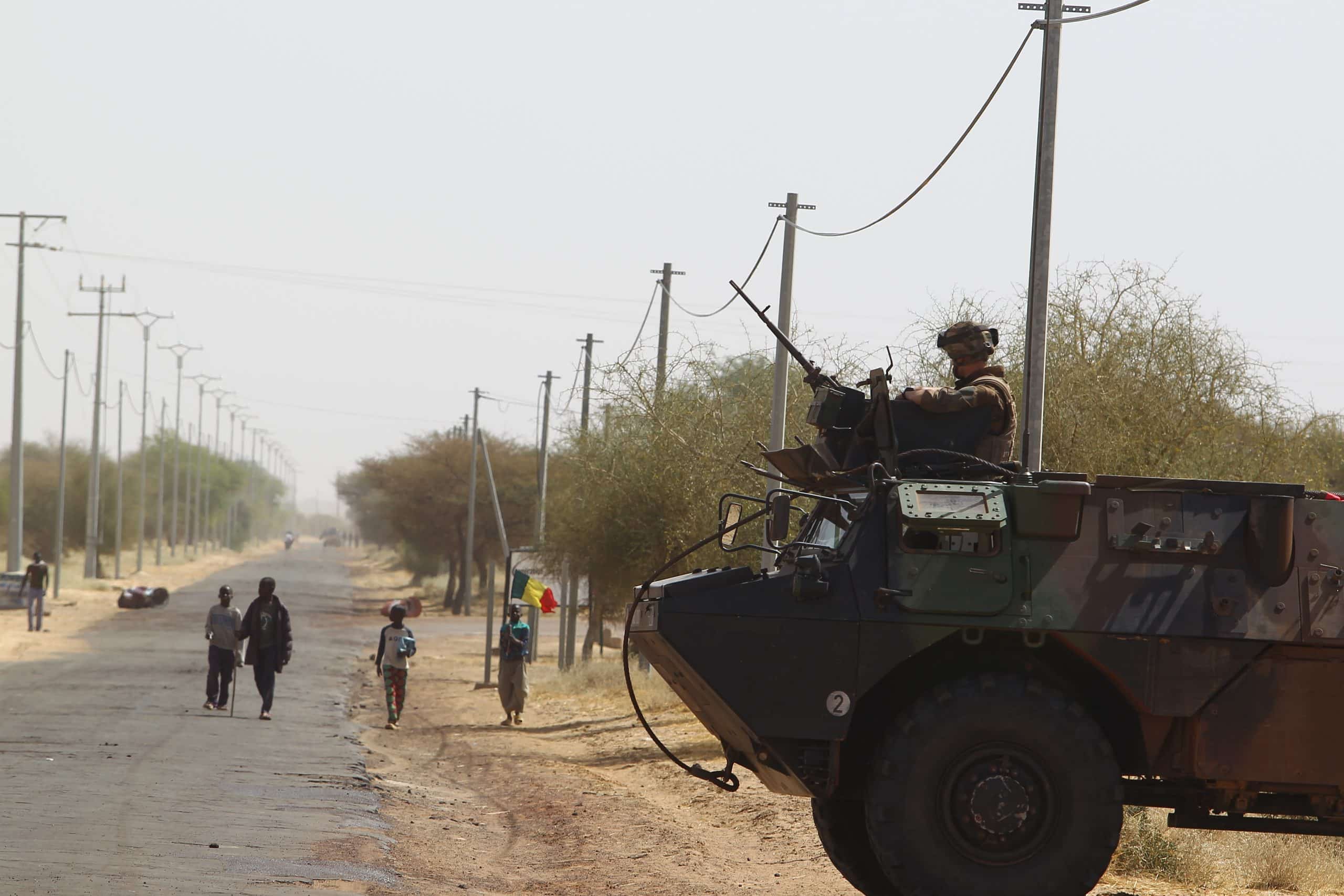
Al Qaeda’s Sahelian affiliate JNIM is on the brink of taking over northern Mali and toppling the Malian junta, and while it is unlikely to directly seize power across Mali, Mali’s fracturing will have seismic consequences in West Africa and beyond. The group launched its most coordinated and significant offensive

thumbs b c 2a917d9fe60cf766f1a2f84738eec45d

Defense & Security, Americas, OPI-TCP

Apr 28 , 2026

Policy Brief

Editor’s Note: This policy brief is Part V of an Orion Policy Institute (OPI) Transnational Crime Project (OPI-TCP) series. While unprecedented and unexpected, it increasingly appears that the United States’ capture of Nicolas Maduro in January 2026 was more than an isolated regional event. Instead, it was a broader strategic

Research

Our comprehensive research spans critical sectors, offering detailed insights and actionable recommendations. Explore how we address pressing national and global issues to drive effective governance and informed decision-making.
gap1

Experts

Our team consists of a diverse group of professionals who bring a wealth of expertise in global security, governance, and development. With a deep commitment to policy solutions, our experts work to address the complex challenges of our time, ensuring that our insights drive impactful change.
expert

Our Mission

Our mission is to promote good governance, advance human rights, and improve policy through high-quality research. We seek to generate practical and sustainable solutions based on multi-disciplinary, diverse, and in-depth scientific research and analysis.
WhatsApp Gorsel 2024 08 26 saat 19.39.45 1770d575

Subscribe to the Orion Policy Brief

Get a daily newsletter with our best research on top issues.

Support Our Work

Invest in promoting policy and good governance