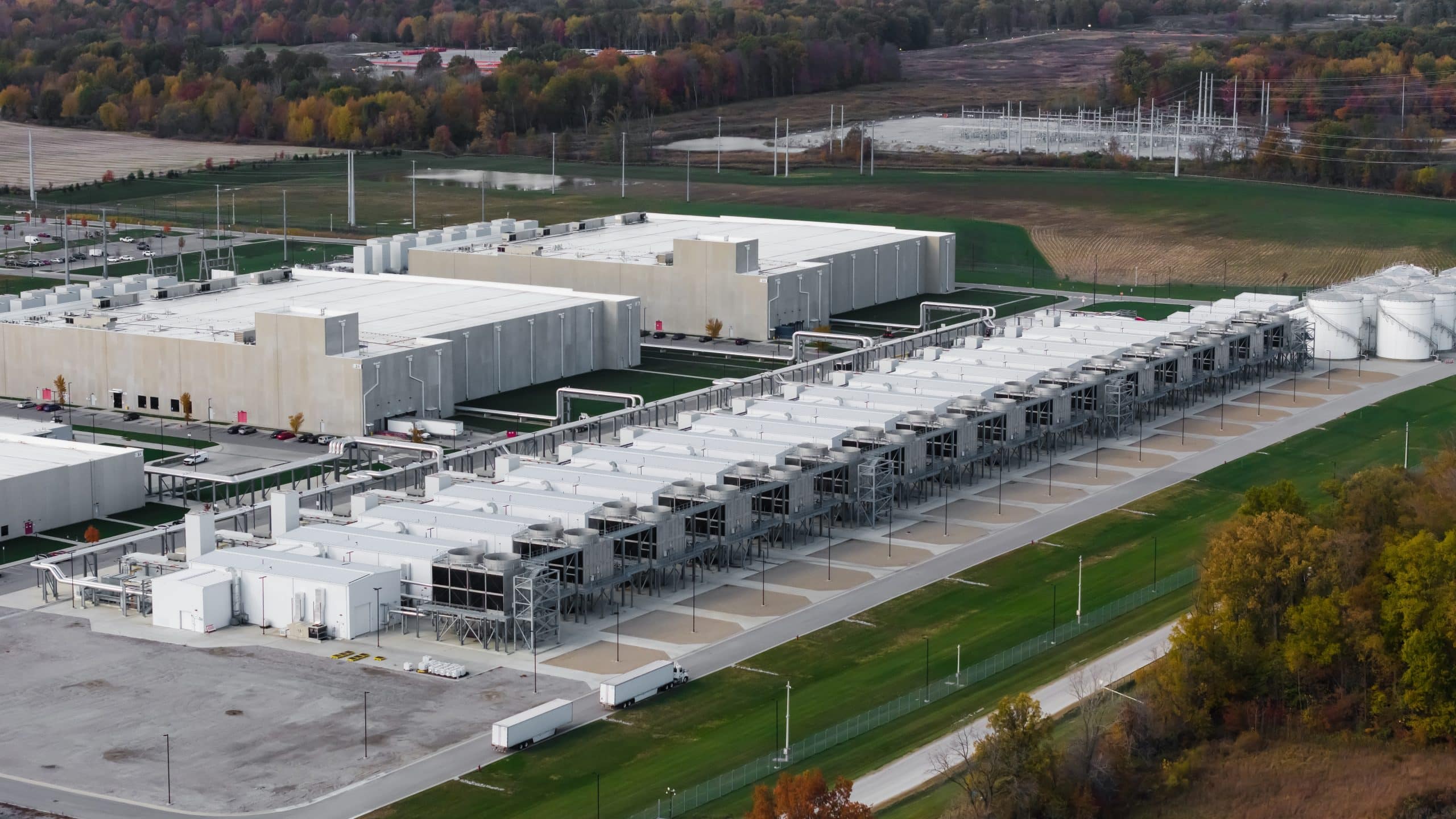
U.S. prosperity is increasingly interlinked with AI, accounting for nearly half of the S&P 500’s market capitalization. Sustaining America’s hard-won competitive AI edge hinges on uninterrupted access to natural gas, which now comprises approximately 40 percent of the power mix in U.S. AI data centers. To date, AI data centers
In test environments, medical AI systems have begun to show early signs of the ability to learn during use from feedback they or other models generate. The FDA, through its Predetermined Change Control Plan (PCCP), already has a governance mechanism in place that preauthorizes future updates to medical AI systems
Long before the invention of cyberspace, deterrence guarded the U.S. against attack by promising to retaliate in kind against any nation that struck American territory. The Cold War concept of mutually assured destruction may not have been sophisticated, but it was effective at discouraging nuclear conflict with the United States.
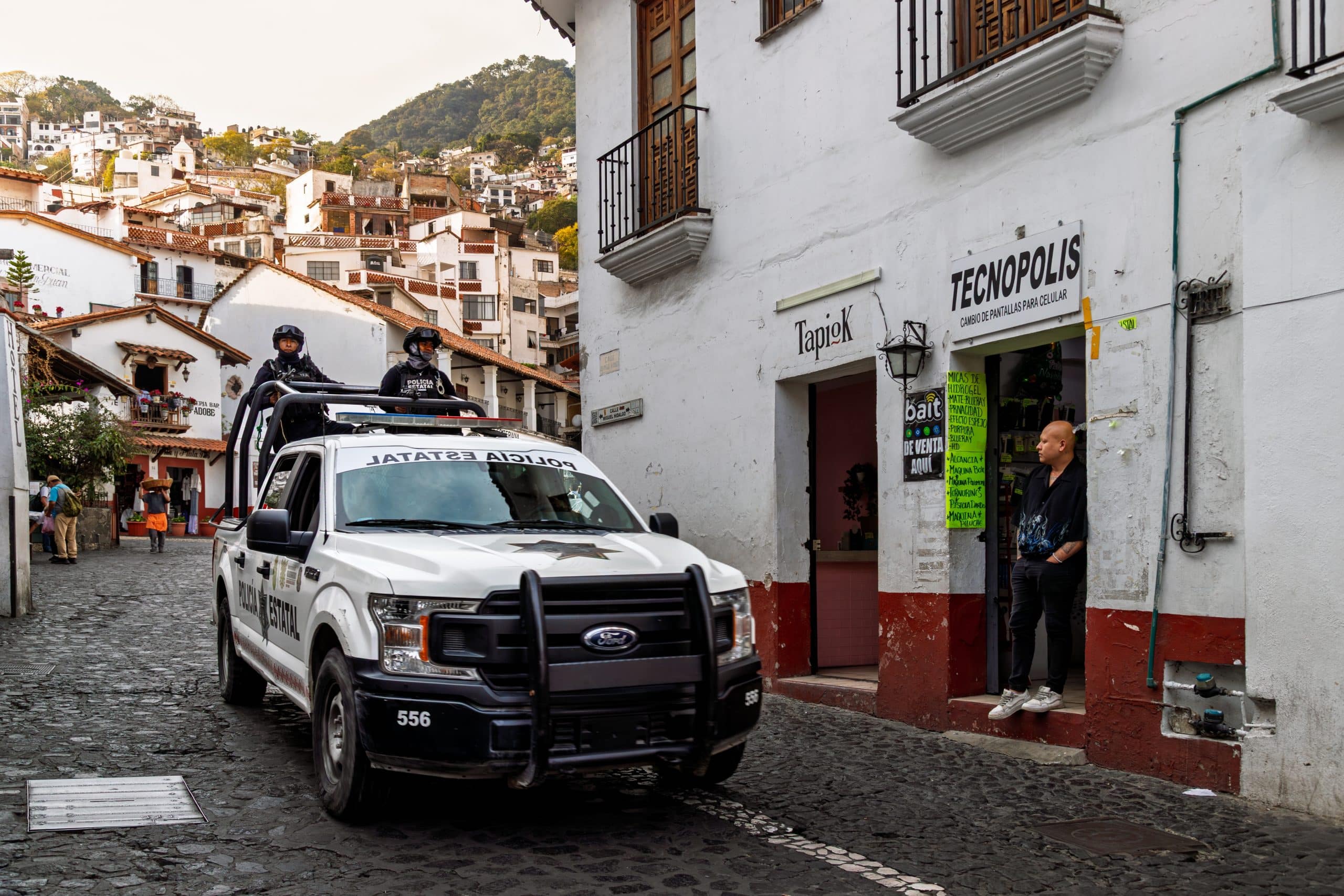
The Trump administration has made confronting drug cartels a central national security priority, designating the largest Mexican networks as Foreign Terrorist Organizations and dedicating significant resources toward securing the Americas. But those organizations are not confined to the Western Hemisphere. Mexican-linked methamphetamine production has emerged in Africa, first surfacing in
Introduction This project evaluates how the 2025 National Security Strategy positions Mexico within U.S. homeland defense and regional security, measuring the alignment between strategic objectives, NORTHCOM/SOUTHCOM posture statements, and operational resourcing. We evaluate these positions to understand Mexico’s place in the current Trump administration’s hemispheric strategies. Mexico’s role in U.S.
On June 12, President Donald Trump announced that U.S. forces had killed Héctor Rusthenford Guerrero Flores, better known as Niño Guerrero, the founder and top leader of Tren de Aragua, in a swift kinetic strike on Venezuelan soil. According to the White House, the operation was conducted in close coordination
Haiti’s security crisis is no longer confined to the streets of Port-au-Prince or the headlines of political instability. It has reached into places once untouched by the gang violence—rural homes, places of worship, and faith-based properties. With the strength to seize property and kill those connected to it, the new
Editor’s Note: This policy brief is Part V of an Orion Policy Institute (OPI) Transnational Crime Project (OPI-TCP) series. While unprecedented and unexpected, it increasingly appears that the United States’ capture of Nicolas Maduro in January 2026 was more than an isolated regional event. Instead, it was a broader strategic
Editor’s Note: This policy brief is Part IV of an Orion Policy Institute (OPI) Transnational Crime Project (OPI-TCP) series and culminating report examining Venezuela’s transnational criminal networks, their regional security implications, and the evolving U.S. policy response. Introduction Venezuela, ranked seventh globally for the highest homicide rate, is characterized by
In this episode of Orion Talks, hosted by Suat Cubukcu, we are joined by Dr. Kerry Chávez to explore how drones are reshaping modern warfare and homeland security. As commercial drone technology becomes more accessible, the barriers to air power are rapidly eroding, enabling non-state actors and even lone individuals
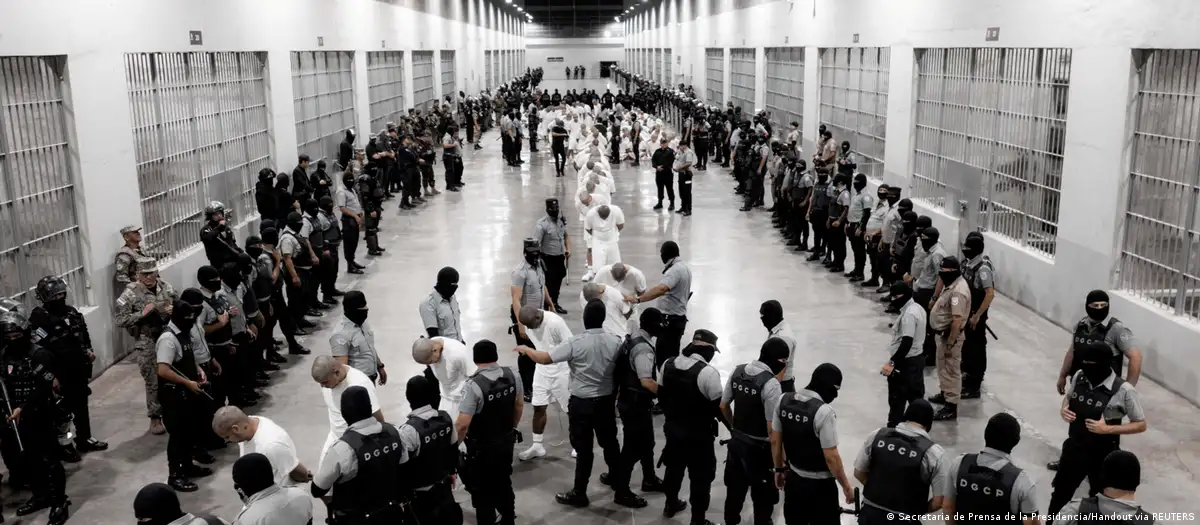
Editor’s Note: This policy brief is Part III of an Orion Policy Institute (OPI) Transnational Crime Project (OPI-TCP) series and culminating report examining Venezuela’s transnational criminal networks, their regional security implications, and the evolving U.S. policy response. Introduction The rapid expansion of Tren de Aragua (TdA) from a Venezuelan prison
By Suat Cubukcu, Editor With contributions from Austin Doctor, Bill Edwards, Scott Parker, and DJ Smith (listed alphabetically) The rapid proliferation of small unmanned aircraft systems (sUAS) has created both opportunity and vulnerability. While drones increasingly support commerce, public safety, agriculture, and infrastructure inspection, their accessibility also lowers the barrier