During a panel at the DoDIIS Worldwide Conference in August 2026, Federal Bureau of Investigation (FBI) chief AI officer Katie Noyes described 139 approved artificial intelligence (AI) use cases. The Department of Justice’s (DOJ) public 2025 inventory, released in January 2026, listed 50 FBI use cases. An FBI spokesperson later
In this OrionTalks episode, hosted by Suat Cubukcu, COL (R) Bill Edwards discusses his new book, The Perimeter Has Changed, and how drones, emerging technologies, and evolving threats are reshaping physical security. An Iraq War veteran and experienced drone and counter-drone professional, Edwards is a recognized thought leader in the
On August 7, 2026, Saudi Arabia, Pakistan, and Turkey signed the “Mecca Joint Defence Agreement” (MJDA), a trilateral defense pact that brought Turkey into a Saudi-Pakistan collective-defense deal. While the agreement considers “any armed attack against any one of the three States shall be regarded as an attack against them
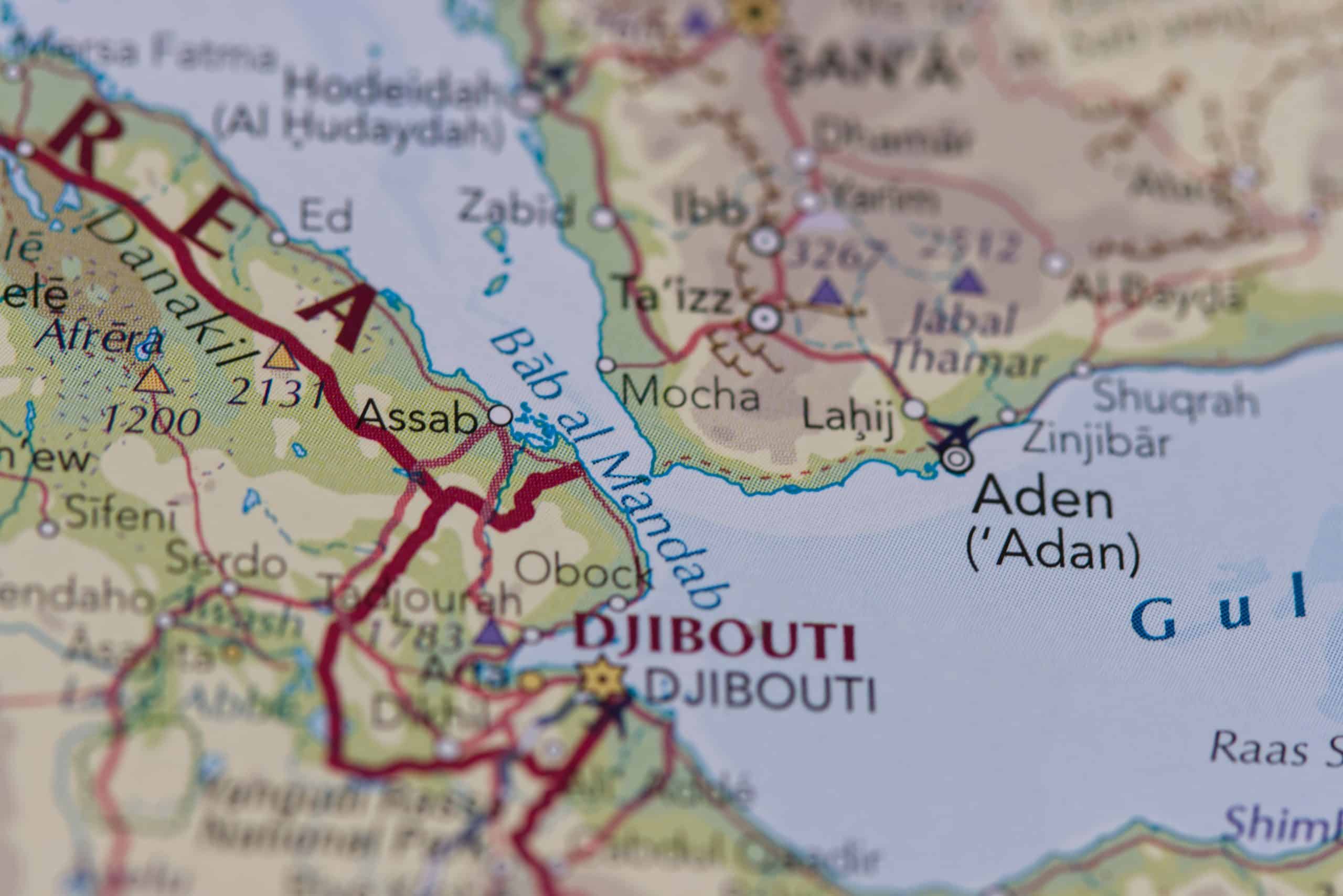
As of mid-September, the Houthis, after capturing Mokha, the Hanish Islands, and Mayun, hold physical control over the approaches to Bab el-Mandeb, the chokepoint through which a large share of Red Sea shipping must pass. Saudi Arabia has begun mobilizing a direct military response to reverse those gains, but even
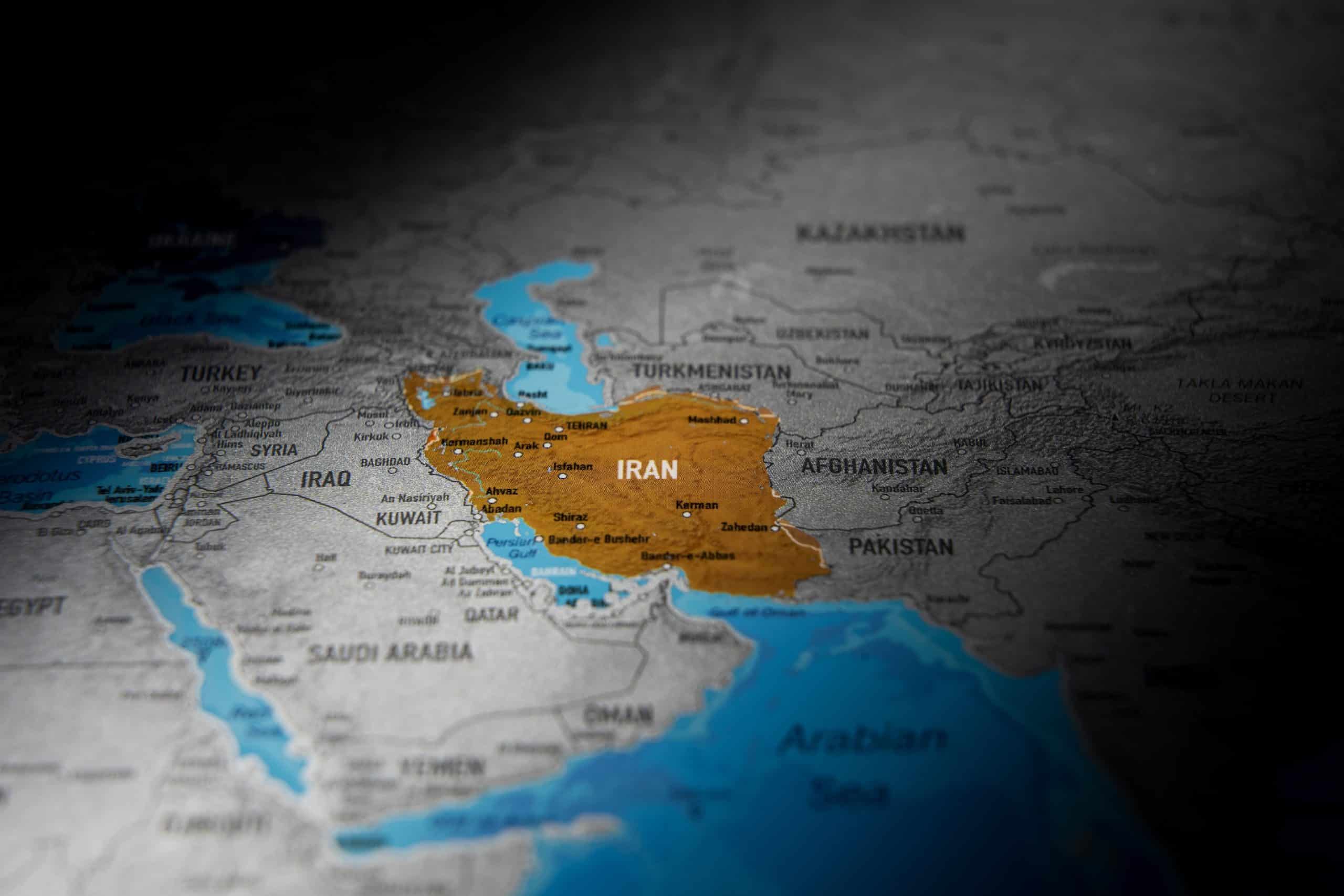
Following months of U.S. and Israeli attacks against Iran and repeated diplomatic efforts and ceasefires, the U.S. administration has shifted to a strategy of increased economic pressure against Iran under Operation Economic Outcast. The White House has framed the current strategic shift as primarily an economic campaign (with a dual
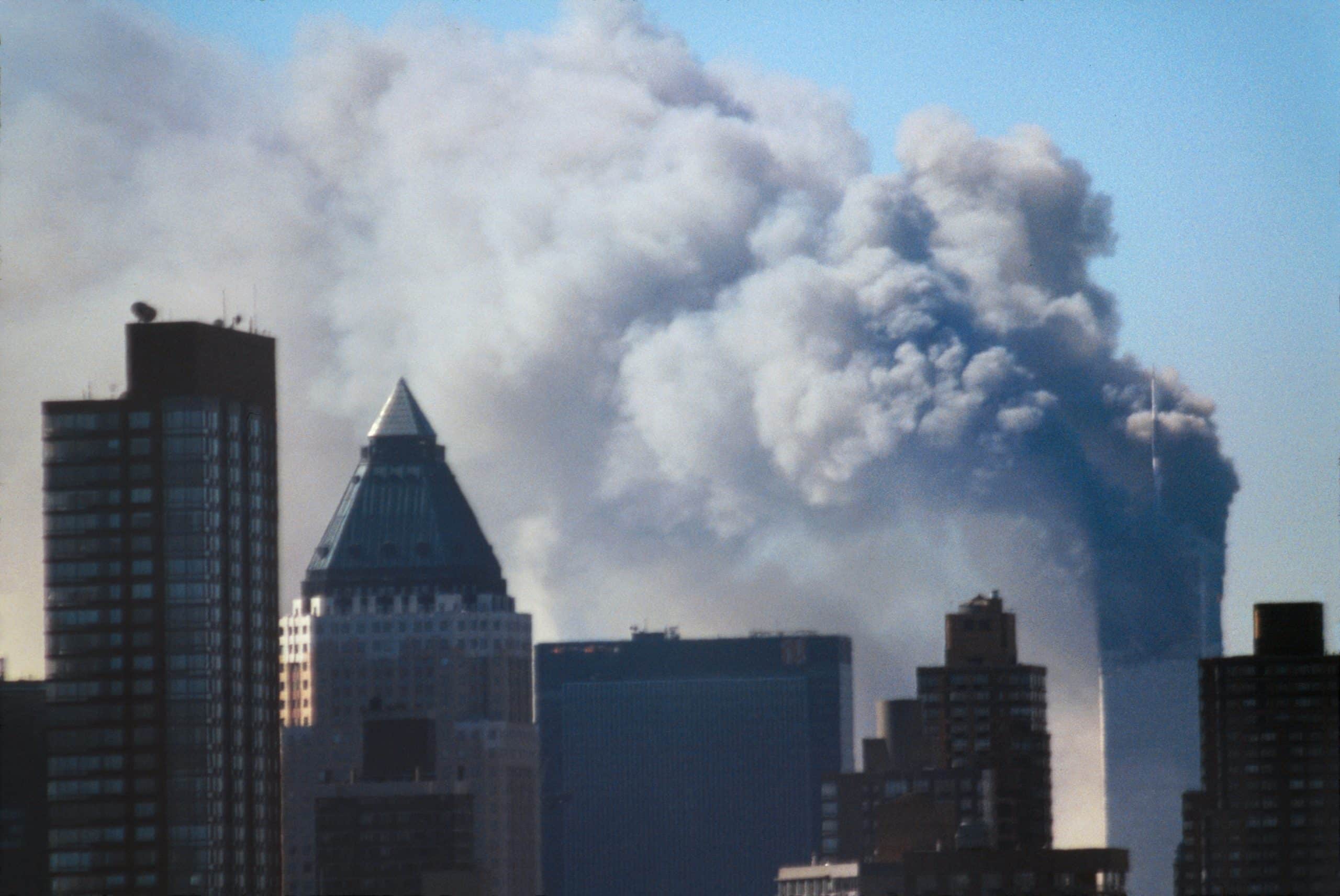
The terrorism threat landscape has changed substantially since September 11, 2001. Over the last quarter of a century, counterterrorism efforts disrupted terrorist networks and decapitate several senior leaders, including the founder of al Qaeda, Usama bin Laden, and his successors, as well as ISIS leadership. Despite al Qaeda being pushed
Introduction Artificial intelligence (AI) is seeping steadily into strategic nuclear affairs. In 2018, a RAND Corporation study reasoned that by 2040, an AI could advise humans on matters of escalation without connecting directly to nuclear launchers, based on the progress AI is making in “increasingly complex and poorly specified tasks.”[1]
The war in Ukraine is exposing a fundamental change in modern conflict. Low Earth orbit (LEO) constellations are no longer simply a supporting layer that provides communications, imagery, navigation, and data to forces fighting below. It is becoming part of the battlespace itself, not necessarily because satellites are being destroyed
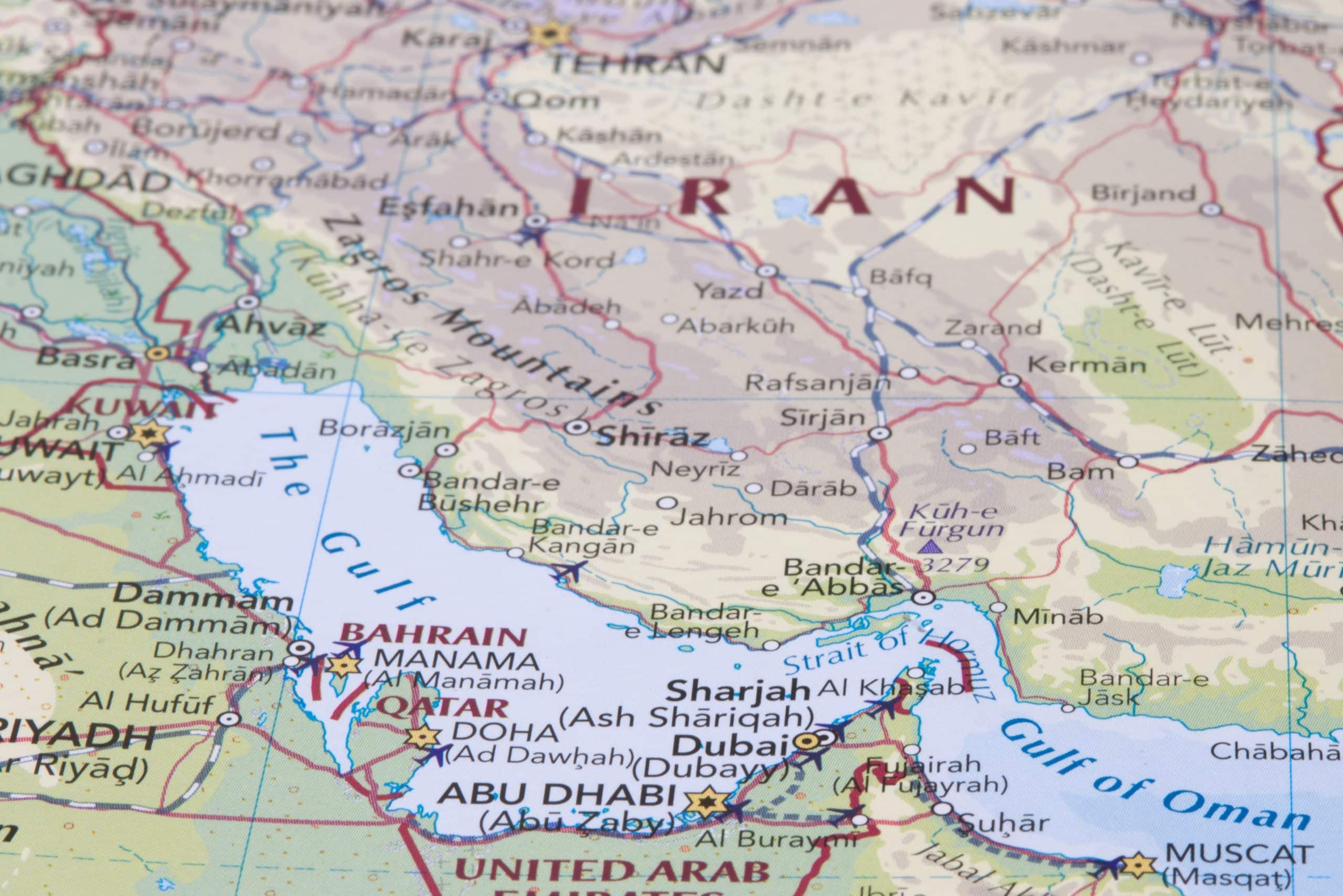
As both the U.S. and Iran have climbed the escalation ladder, the Strait of Hormuz — and with it, international maritime trade and energy markets — has been subjected to a consequential chokehold. As the U.S. conducts strikes on major infrastructural sites, weapons depots, and Iranian political leadership, one of
Since the beginning of Operation Epic Fury, the United States spent about forty days in major combat operations against the Republic of Iran, followed by just over ninety days of a fragile ceasefire framework and attempted negotiations, punctuated by intermittent kinetic operations. As Iranian attacks on commercial ships in the
In this Orion Talks episode, hosted by Suat Cubukcu, John Sullivan, Nathan Jones, and Daniel Weisz Argomedo explore how urban warfare is reshaping modern conflict. Drawing on their book Urban Operations: War, Crime, and Conflict, they examine the increasingly blurred lines between conventional warfare, organized crime, terrorism, and criminal insurgencies
Introduction This project evaluates how the 2025 National Security Strategy positions Mexico within U.S. homeland defense and regional security, measuring the alignment between strategic objectives, NORTHCOM/SOUTHCOM posture statements, and operational resourcing. We evaluate these positions to understand Mexico’s place in the current Trump administration’s hemispheric strategies. Mexico’s role in U.S.