In this OrionTalks episode, hosted by Suat Cubukcu, COL (R) Bill Edwards discusses his new book, The Perimeter Has Changed, and how drones, emerging technologies, and evolving threats are reshaping physical security. An Iraq War veteran and experienced drone and counter-drone professional, Edwards is a recognized thought leader in the
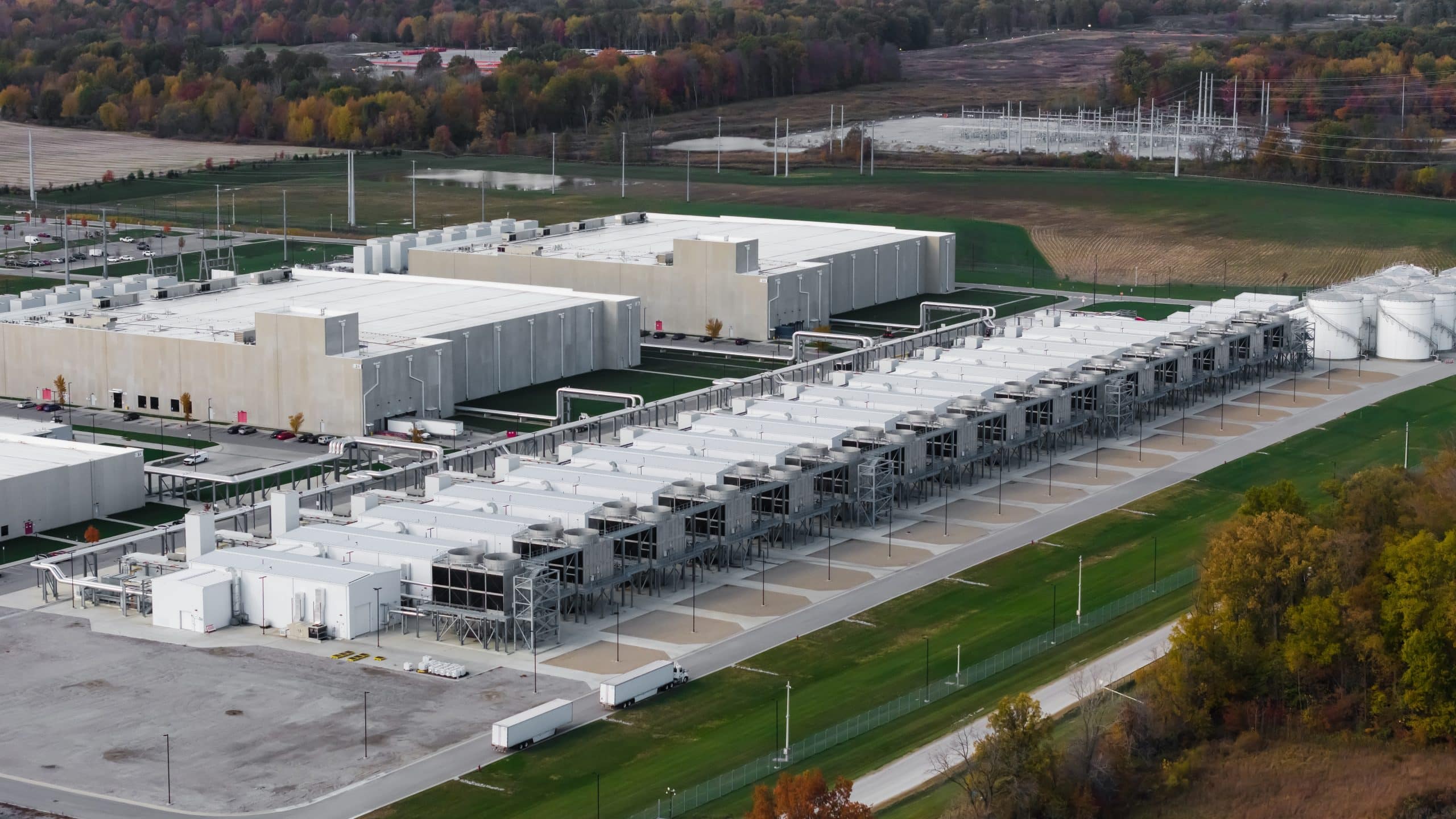
U.S. prosperity is increasingly interlinked with AI, accounting for nearly half of the S&P 500’s market capitalization. Sustaining America’s hard-won competitive AI edge hinges on uninterrupted access to natural gas, which now comprises approximately 40 percent of the power mix in U.S. AI data centers. To date, AI data centers
In July 2026, the Trump Administration announced GOLD EAGLE, a new federal clearinghouse with the goal of improving cybersecurity vulnerability coordination, using artificial intelligence (AI) to identify software flaws and speed up the time it takes to fix them. While a commendable and necessary effort, the current public details on
Introduction Artificial intelligence (AI) is seeping steadily into strategic nuclear affairs. In 2018, a RAND Corporation study reasoned that by 2040, an AI could advise humans on matters of escalation without connecting directly to nuclear launchers, based on the progress AI is making in “increasingly complex and poorly specified tasks.”[1]
The war in Ukraine is exposing a fundamental change in modern conflict. Low Earth orbit (LEO) constellations are no longer simply a supporting layer that provides communications, imagery, navigation, and data to forces fighting below. It is becoming part of the battlespace itself, not necessarily because satellites are being destroyed
In test environments, medical AI systems have begun to show early signs of the ability to learn during use from feedback they or other models generate. The FDA, through its Predetermined Change Control Plan (PCCP), already has a governance mechanism in place that preauthorizes future updates to medical AI systems
Anthropic’s Mythos/Fable model ban showed Washington acting on a lab signal it could measure while flying blind on the one it can’t. On June 12, the Commerce Department ordered Anthropic to cut off foreign-national access to its two most capable models, Fable 5 and Mythos 5. The reason, according to
This episode of Orion Talks, hosted by Marta Furlan, features Dr. Mauro Lubrano examining the rise of anti-technology extremism. He begins by distinguishing it from anti-technology activism, emphasizing that conflating the two risks discrediting legitimate concerns and may even contribute to further radicalization. The discussion situates recent attacks on tech
The potential of artificial intelligence for small and medium-sized enterprises (SMEs) remains paradoxical. While AI promises to level a playing field long dominated by large corporations, its adoption is often stalled before any technical work begins. According to the OECD’s 2025 survey on SME digitalization, cost-related barriers, including maintenance expenses,
Post-quantum cryptography is typically framed as a problem in quantum computing. It is something to address once fault-tolerant machines arrive. So, this framing is still incomplete. Every scaled AI system today depends on encrypted data pipelines, protected model weights, and secure inference infrastructure. The cryptographic standards protecting that infrastructure are
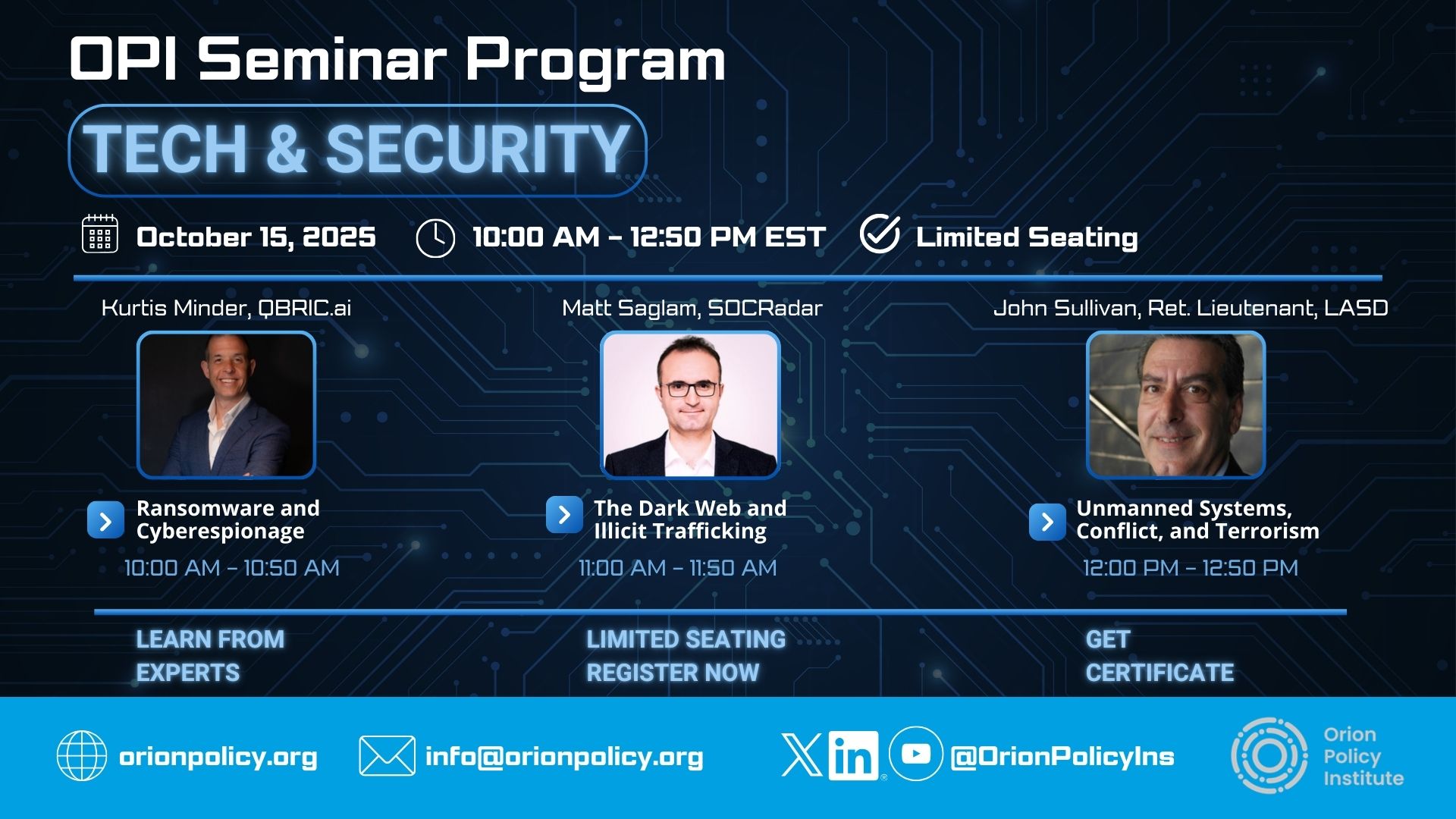
Orion Policy Institute (OPI) hosted an online seminar program on Wednesday, October 15, 2025, between 10 am – 12:50 pm EST to discuss the latest trends and strategies shaping the modern landscape of technology and international security. The seminar schedule was as follows: 10:00 am – 10:50 am EST >
President Donald J. Trump’s Gulf tour this month—with visits to Saudi Arabia, Qatar, and the United Arab Emirates (UAE)—marked a pivotal moment in US relations with the Gulf Cooperation Council (GCC)’s wealthiest and most geopolitically influential members. As economic ties deepen, especially in the high-stakes realm of artificial intelligence (AI),