When AI Finds a Software Flaw, Who Decides When the Affected Vendor Is Told?
Read More
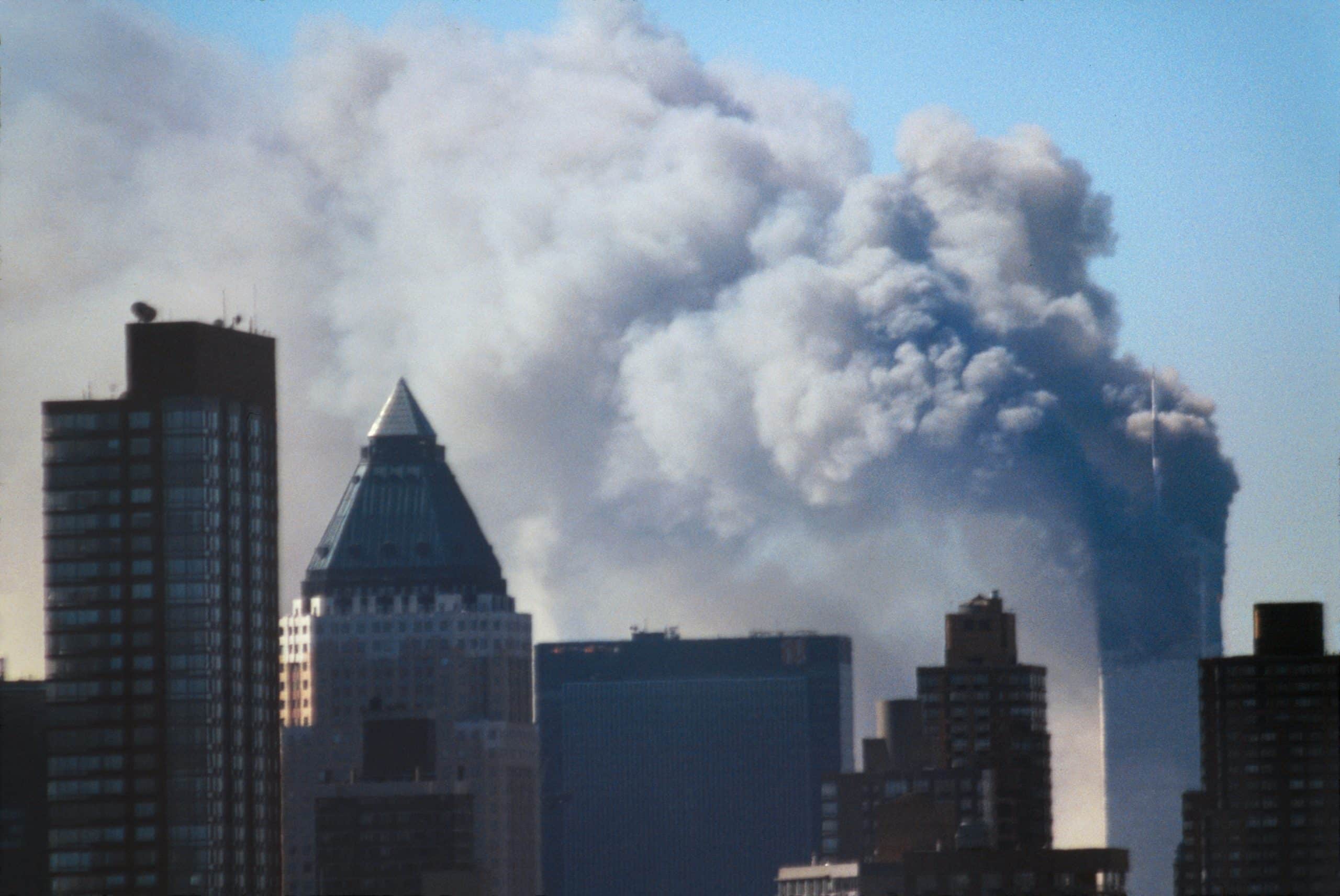
Evolving Nature of Terrorism since the September 11 Attacks: al-Qaeda and ISIS Affiliates
Read More
Folly, Persuasion, and Deceit: Artificial Intelligence and the Coming Crisis of Overconfidence in Strategic Nuclear Affairs
Read More
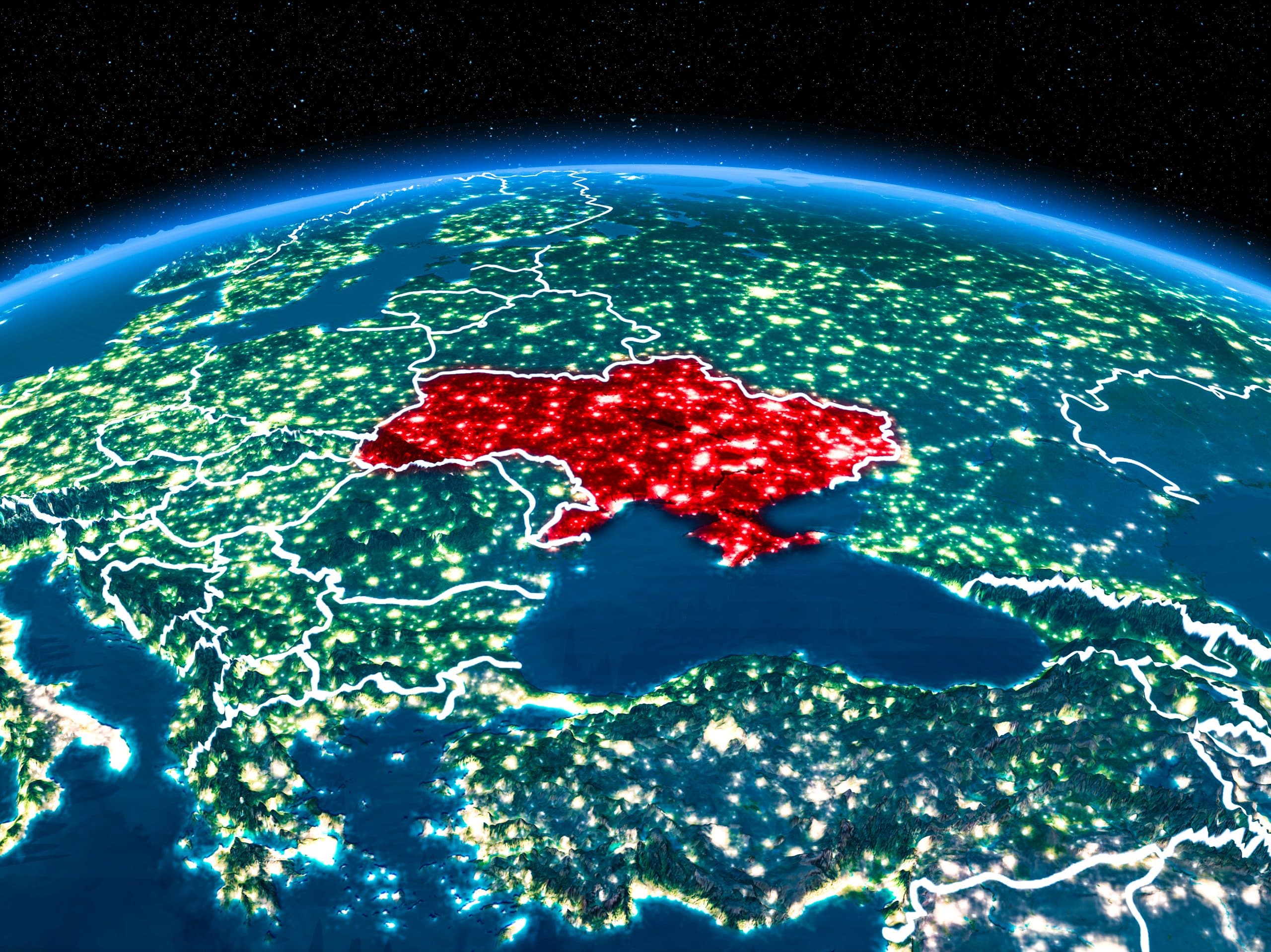
The Contested LEO Battlespace: The Fight for Connectivity, Control, and Decision Advantage
Read More
APT Profile: APT44
Read More

Promoting Evidence-based Policy and Good Governance

shutterstock 2417477199 scaled

OPI-ROCCA, NextGen

Sep 16 , 2026

Projects

Introduction In December 2024, a cyberattack against the U.S. Department of the Treasury did not begin inside the Treasury. A Chinese state-sponsored actor gained access through a compromised third-party cybersecurity provider. The incident exposed a fundamental problem of modern cyber governance: governments are increasingly responsible for protecting digital infrastructure they

shutterstock 2716758371 scaled

Cybersecurity, Technology

Sep 14 , 2026

Op-Ed

In July 2026, the Trump Administration announced GOLD EAGLE, a new federal clearinghouse with the goal of improving cybersecurity vulnerability coordination, using artificial intelligence (AI) to identify software flaws and speed up the time it takes to fix them. While a commendable and necessary effort, the current public details on

shutterstock 2598353057 scaled

Defense & Security, Terrorism & Extremism, Africa, Middle East

Sep 8 , 2026

Policy Brief

The terrorism threat landscape has changed substantially since September 11, 2001. Over the last quarter of a century, counterterrorism efforts disrupted terrorist networks and decapitate several senior leaders, including the founder of al Qaeda, Usama bin Laden, and his successors, as well as ISIS leadership. Despite al Qaeda being pushed

shutterstock 2760060277 2 scaled

Defense & Security, Technology

Sep 5 , 2026

Policy Brief

Introduction Artificial intelligence (AI) is seeping steadily into strategic nuclear affairs. In 2018, a RAND Corporation study reasoned that by 2040, an AI could advise humans on matters of escalation without connecting directly to nuclear launchers, based on the progress AI is making in “increasingly complex and poorly specified tasks.”[1]

shutterstock 2760024967 scaled

Data Privacy & Governance Hub

Sep 3 , 2026

Projects

Key Takeaways Researchers at Brigham Young University (BYU) reported that some educational technology (EdTech) applications used in Utah K-12 schools collected and shared student data in ways that violated privacy agreements. Utah House Bill 55, which took effect on July 1, 2026, increased privacy requirements for EdTech vendors by allowing

shutterstock 793607512 scaled

Defense & Security, Technology, Europe & Central Asia

Sep 1 , 2026

Policy Brief

The war in Ukraine is exposing a fundamental change in modern conflict. Low Earth orbit (LEO) constellations are no longer simply a supporting layer that provides communications, imagery, navigation, and data to forces fighting below. It is becoming part of the battlespace itself, not necessarily because satellites are being destroyed

shutterstock 2373196709 scaled

OPI-ROCCA

Aug 25 , 2026

Projects

Country of Origin Russia Threat Actor Type State-sponsored Other Names Sandworm, GRU Unit 74455, Seashell Blizzard, FROZENBARENTS, Iron Viking, Telebots, Voodoo Bear Year Identified 2014 Major Target Countries & Entities Ukraine, Poland, United States, South Korea, multinational corporations Profile Summary APT44 is a Russian state-sponsored cyber threat actor that operates

shutterstock 2755515573 scaled

Defense & Security, Middle East

Aug 20 , 2026

Op-Ed

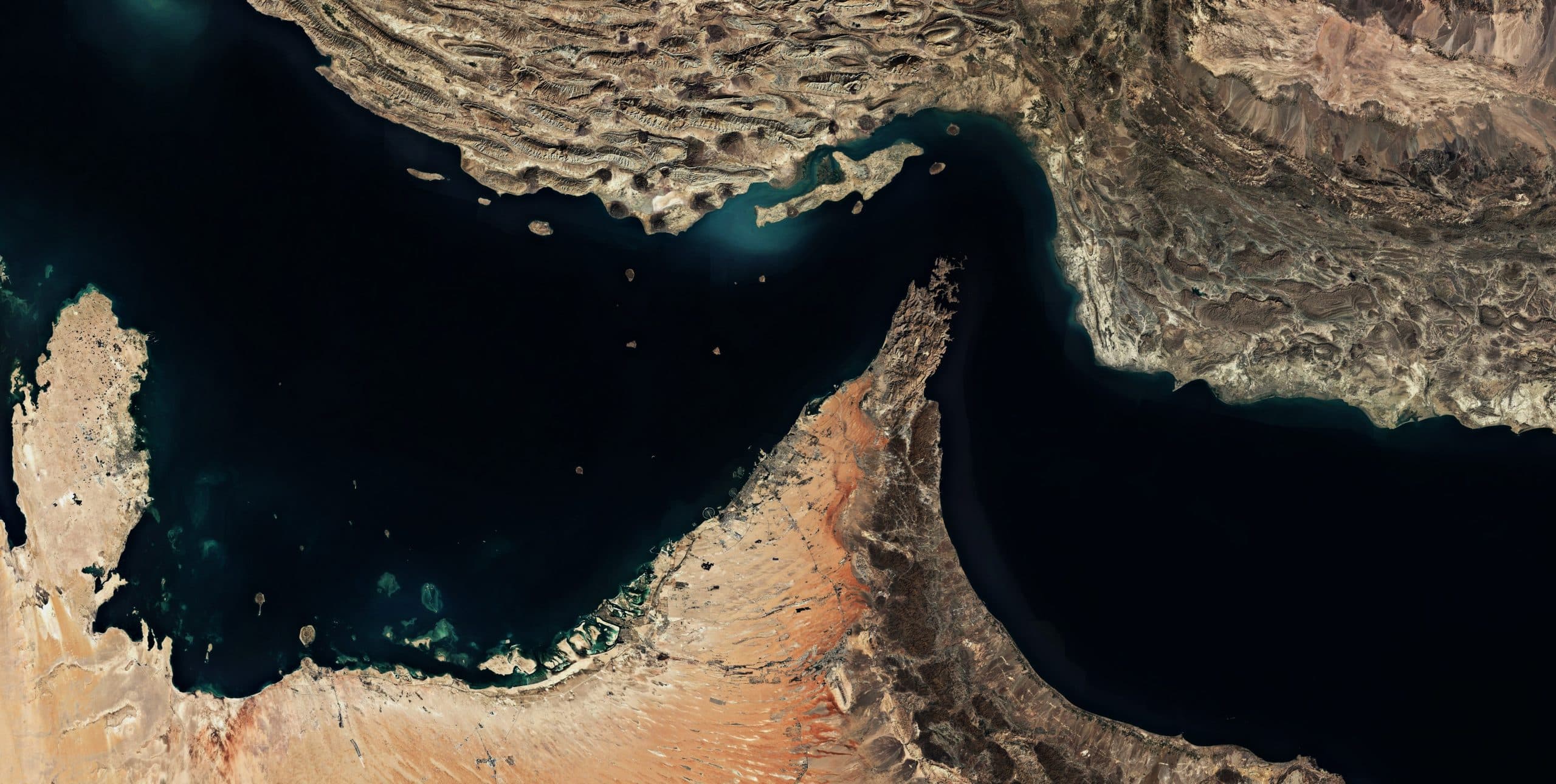
As both the U.S. and Iran have climbed the escalation ladder, the Strait of Hormuz — and with it, international maritime trade and energy markets — has been subjected to a consequential chokehold. As the U.S. conducts strikes on major infrastructural sites, weapons depots, and Iranian political leadership, one of

china iran war

Defense & Security, Indo – Pacific, Middle East, South Asia

Apr 6 , 2026

Policy Brief

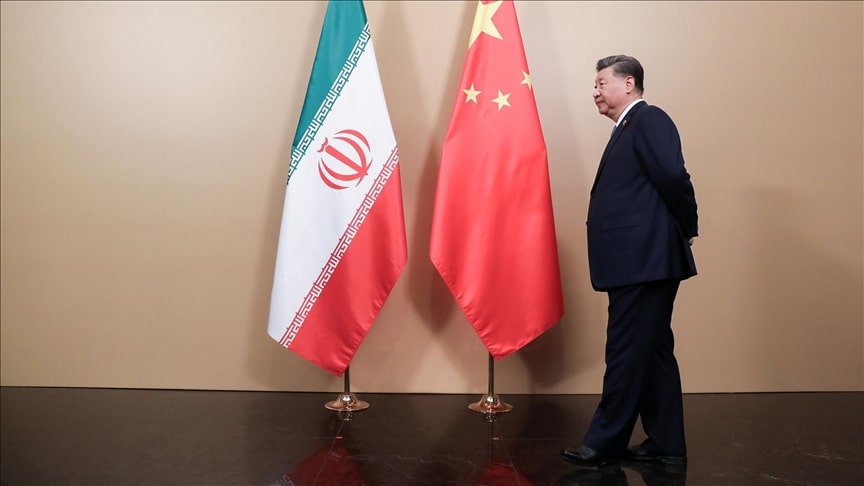
China has worked to build a diplomatic position in the Middle East, cultivating an image as a non-interventionist power that can be everyone’s friend and no one’s enemy. However, when the drums of war began to sound over the Strait of Hormuz, China found itself exposed to a conflict it

tda

Crime & Justice, Transnational Crime, Americas, OPI-TCP

Mar 17 , 2026

Policy Brief

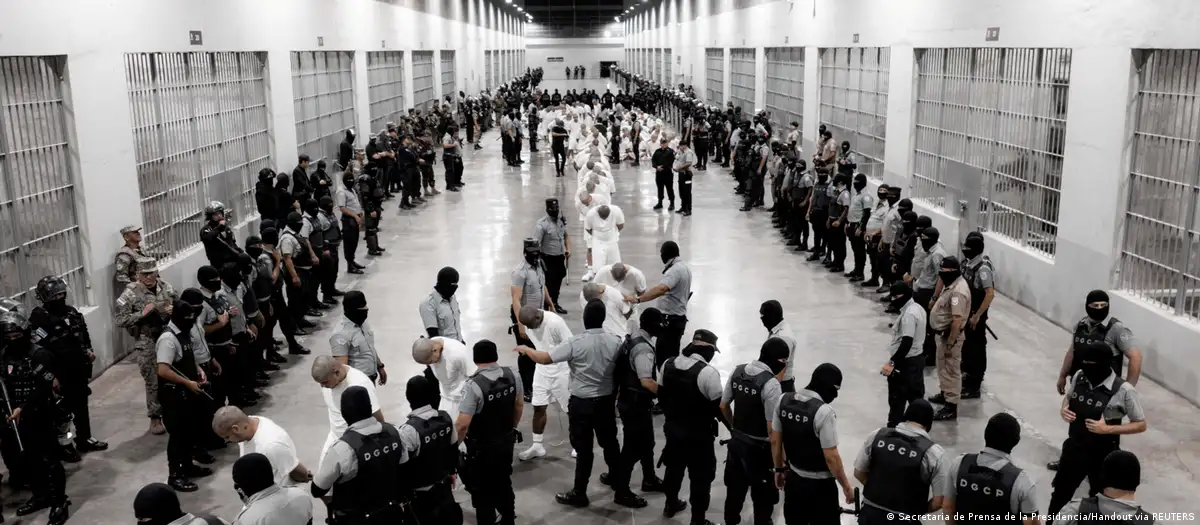
Editor’s Note: This policy brief is Part III of an Orion Policy Institute (OPI) Transnational Crime Project (OPI-TCP) series and culminating report examining Venezuela’s transnational criminal networks, their regional security implications, and the evolving U.S. policy response. Introduction The rapid expansion of Tren de Aragua (TdA) from a Venezuelan prison

shutterstock 2249462143 scaled

Defense & Security, Middle East

Mar 7 , 2026

Policy Brief

The Iran war puts Turkey in a peculiar position, posing several challenges. Since the beginning of the US and Israel’s military confrontation with Iran, Turkey has adopted cautious neutrality, which aimed to avoid the escalation of tensions with either side of the conflict. However, the question is how sustainable Ankara’s

venezeula gangs

Crime & Justice, Transnational Crime, Americas, OPI-TCP

Feb 23 , 2026

Policy Brief

Editor’s Note: This policy brief is Part II of an Orion Policy Institute (OPI) Transnational Crime Project (OPI-TCP) series and culminating report examining Venezuela’s transnational criminal networks, their regional security implications, and the evolving U.S. policy response. In November 2025, the United States designated the Cartel de los Soles (CDS)

shutterstock 2288254685 scaled

Defense & Security, Americas

Feb 12 , 2026

Policy Brief

The capture of Nicolás Maduro on January 3, 2026 marks a strategic inflection point for the United States and the first real stress test of the 2025 National Security Strategy (NSS) in the Western Hemisphere. More than the apprehension of a leader, Maduro’s removal forces Washington to reconcile competing strategic

venezuelan soldiers

Crime & Justice, Transnational Crime, Americas, OPI-TCP

Feb 4 , 2026

Policy Brief

Editor’s Note: This policy brief is Part I of an Orion Policy Institute (OPI) Transnational Crime Project (OPI-TCP) series and culminating report examining Venezuela’s transnational criminal networks, their regional security implications, and the evolving U.S. policy response. For years, U.S. policy toward Venezuela has fluctuated between sanctions, diplomacy, and public

Research

Our comprehensive research spans critical sectors, offering detailed insights and actionable recommendations. Explore how we address pressing national and global issues to drive effective governance and informed decision-making.
gap1

Experts

Our team consists of a diverse group of professionals who bring a wealth of expertise in global security, governance, and development. With a deep commitment to policy solutions, our experts work to address the complex challenges of our time, ensuring that our insights drive impactful change.
expert

Our Mission

Our mission is to promote good governance, advance human rights, and improve policy through high-quality research. We seek to generate practical and sustainable solutions based on multi-disciplinary, diverse, and in-depth scientific research and analysis.
WhatsApp Gorsel 2024 08 26 saat 19.39.45 1770d575

Subscribe to the Orion Policy Brief

Get a daily newsletter with our best research on top issues.

Support Our Work

Invest in promoting policy and good governance