On August 7, 2026, Saudi Arabia, Pakistan, and Turkey signed the “Mecca Joint Defence Agreement” (MJDA), a trilateral defense pact that brought Turkey into a Saudi-Pakistan collective-defense deal. While the agreement considers “any armed attack against any one of the three States shall be regarded as an attack against them all,” it didn’t specify the commitments, such as command structure, standing forces, or how the collective defense will be triggered; each member adheres to it, and it aims to establish a stronger collective deterrence. As ambitious as it may sound, the agreement has limitations dictated by member states’ preexisting commitments, domestic, regional, and international constraints, and conflicting priorities. The prospect of “deterrence measures” will be tested by two major challenges: Saudi-led conflict with Iran-backed Houthis and the expansion of the US and Israel war against Iran.
Underlying push factors for these three countries to sign the MJDA include: First, following the October 7 Hamas terrorist attacks, the threat landscape in the Middle East has started shifting, leading to more escalation, which has been exacerbated by the Iran war. Second, a new security vacuum emerged as US military presence in the Middle East diminished. Last but not least, the Iran-US-Israel war led to the collapse of decades-long US security shield presumably protecting the Gulf countries. The war created another reality that the US will not prioritize Gulf states’ security anymore, and the unresolved Strait of Hormuz problem has been hanging over the regional countries without a resolution any time soon.
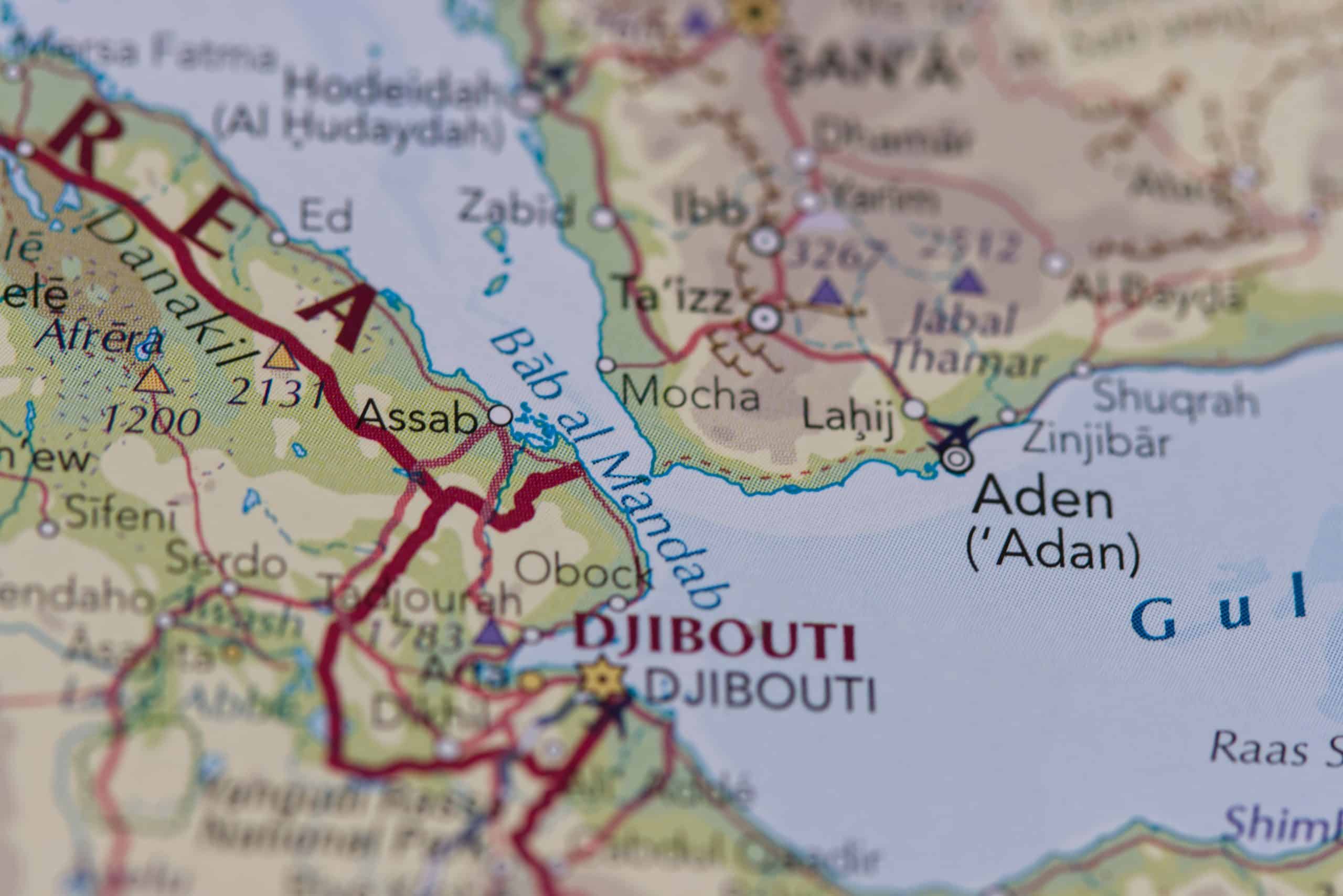
In recent weeks, however, the Houthis’ expansion of their territorial control in Yemen and the Red Sea and intensifying attacks targeting Saudi Arabia’s critical infrastructure, including the energy supply chain, forced Riyadh to seek Ankara’s involvement. The conflict between the Saudi-led coalition and Iran-backed Houthis in Yemen has escalated to a new level, which forced the Crown Prince Mohammed bin Salman to request US military intervention, which was left unanswered by President Trump. This development gave impetus to the MJDA. As a result, Turkey, Saudi Arabia, and Pakistan signed the MJDA, adding Turkey to the Pakistan-Saudi Strategic Mutual Defense Agreement (SMDA), which was signed in 2025.
After an emergency meeting on October 5 in Riyadh, however, Pakistan and Turkey agreed with Saudi Arabia to activate “deterrence measures” and decided to deploy forces in Saudi Arabia. Following the meeting, the trio “reaffirmed their unequivocal rejection of any attack or threat against the Kingdom’s security and territorial integrity.
Overall, the agreement aims to provide Saudi Arabia with logistical and technical support. Pakistan has shown more enthusiasm and eagerness to provide Saudis with military support, including forced deployment and military engagement against Riyadh’s adversaries. Similarly, Turkey’s initial official position, in the Turkish Foreign Minister’s statement, was rather ambitious, claiming that the agreement was technically equivalent to NATO’s Article 5. While Pakistan claims to go to “any extent” and in August Turkey pledges to “meet Saudi Arabia’s military needs,” it is still not clear whether either Pakistan or Turkey’s support would amount to boots on the ground in Yemen. Contrary to the Turkish Foreign Minister’s earlier, more ambitious portrayal of the agreement, Ankara takes a more cautious approach to the MJDA, limiting its objectives to joint training, intelligence sharing, logistics, threat assessments, and military interoperability.
The MJDA offers opportunities for all three signatories. Both Pakistan and Turkey are motivated by economic benefits and an opening to expand “their military-industrial complexes with Saudi funding.” For Saudi Arabia, on the other hand, the MJDA would deepen the preceding agreements, including co-production of the Akinci unmanned combat aerial vehicle (UCAV) or Saudi participation in the Kaan fighter jet program. For Ankara, the agreement could strengthen its regional power projection.
The agreement also carries potential strengths and weaknesses because of existing foreign policy engagements. The signatories reiterated that the agreement will not replace existing alliances and strategic partnerships the member states are part of, nor is it against anyone– Iran or Israel. Therefore, the fundamental stated purpose of this pact is ‘prevention’ of hostility against any member, not ‘confrontation’ against other states. However, any attempt to ‘prevent’ harm to any member state party to the agreement at some point will have to confront the adversary.
For Turkey, its membership in NATO and relationship with the United States, while critical aspects of its strength, could become impediments if Turkey or other signatories end up confronting Israel. By the same token, Saudi Arabia has to walk on thin ice when it comes to its relationship with the US, especially regarding its security and defense dependency on US military equipment. The same is true for Pakistan, which has relied on US support.
The Achilles’ Heel of the Agreement
While the MJDA presents opportunities, it also faces institutional and implementation challenges. First, although the signatories agreed to establish a secretariat, the lack of a joint command structure, an interoperability framework, or a common military doctrine remains a critical weakness. While these issues could eventually be resolved, they remain pact’s the Achilles’ heel. The alliance was established primarily to meet Saudi Arabia’s defense-assurances needs rather than shared security concerns. So, it raises legitimate questions. To what extent would the same level of commitment be feasible if, for example, Turkey faced a threat from Iran or Israel? Or will Pakistan receive military assistance in case it faces an imminent military confrontation from the Taliban regime in Afghanistan or India? Or will Pakistan offer rapid military assistance and put itself at odds with Iran in case Iran-Saudi Arabia tensions escalate into military confrontation? Will the pact address terrorist threat in the region, including Iran-linked proxies, al Qaeda and ISIS affiliates?
In this context, the prospect of expanding the pact, at least for now, suffers from a lack of unity and shared foreign policy objectives. From this perspective, the MJDA is nowhere near a NATO-like pact. However, if the Iran war escalates into a regional conflict, unlikely candidates like Egypt and even the United Arab Emirates might consider joining the pact.
Current and Potential Threat Landscape Facing MJDA
The Pact faces several current and near-term challenges that would put the agreement to a test. The current and near-term challenges include Saudi-led military engagement against Iran-backed Houthis and the expansion of the US and Israel war on Iran.
The first test could be manageable if the Saudi-led coalition contains the conflict in Yemen and continues to push the Houthis out of the areas they control. However, if the Houthis manage to inflict more damage, leading to more loss of life in the homeland, the Saudis would be forced to engage militarily with more ground forces deployed in Yemen. Despite the Saudi-led coalition gaining ground in Yemen in the last couple of days, the Houthis have managed to target Saudi Arabia’s critical infrastructure, including airports, energy lines, etc. In fact, the Houthis attack against the King Khalid International Airport in Riyadh marks the deadliest attack targeting a Gulf Arab country since the Iran war began in February 2026. Facing a protracted and costly war, Saudi Arabia will seek more direct involvement from Turkey and Pakistan. Riyadh has been pushing Egypt to join the pact and has already requested the al-Sharaa government of Syria to get involved in the Yemen conflict with its military forces. These efforts also signal that if the conflict in Yemen continues to escalate, Turkey and Pakistan will be under more pressure.
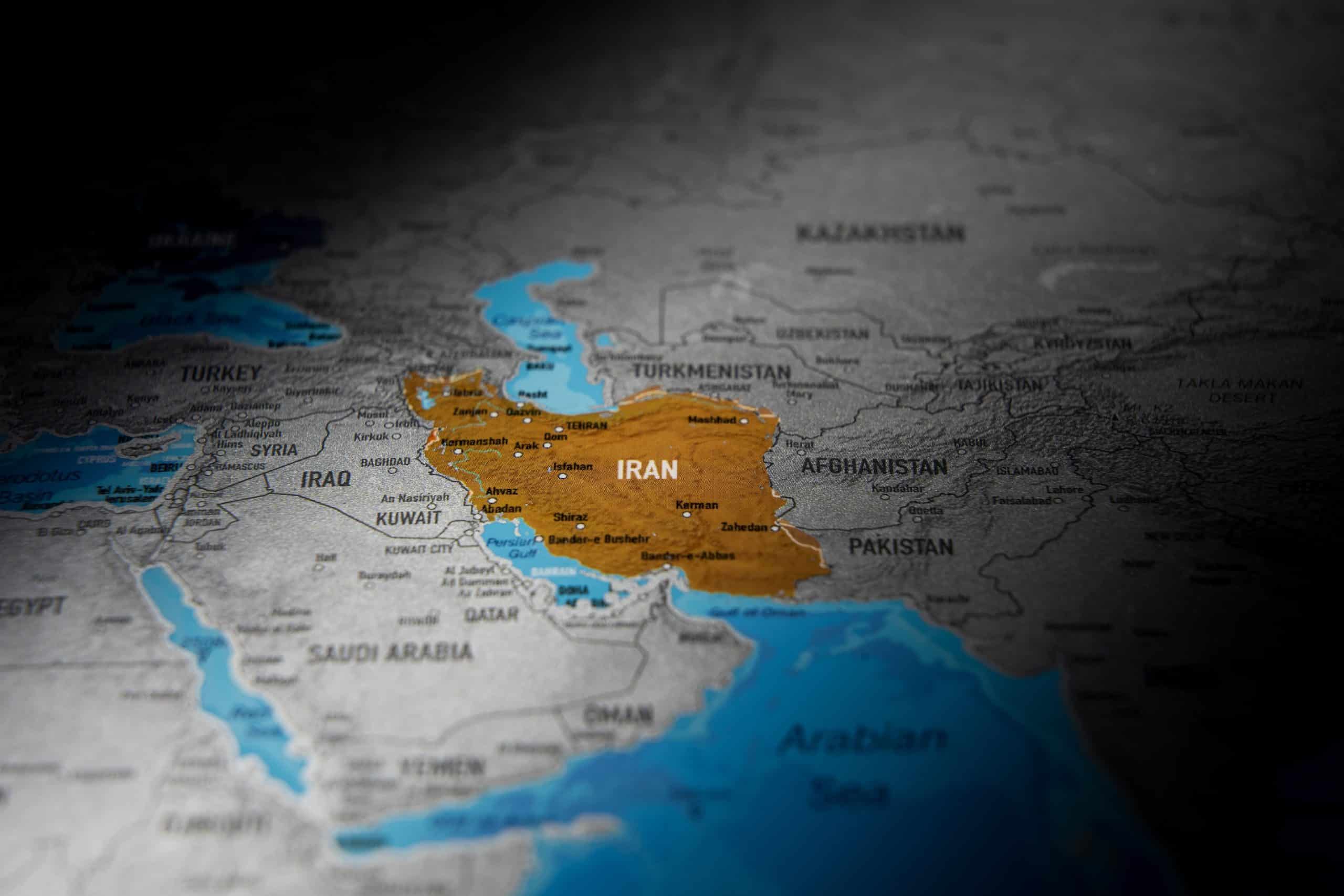
The second major test would be whether the conflict between the US-Israel and Iran potentially evolves into an all-out war. Such escalation could start with Iran targeting the Gulf countries, including Saudi Arabia. In this second scenario, unlike the first phase of the US-Israel and Iran conflict, when Houthis have acted restrained by refraining from military engagement against the US, the Saudi-led war against Houthis could become a natural extension of the Iran war. The extension will include other Iranian-linked proxy networks or members of the so-called axis of resistance, which could target not just the US and Israel, but any other actor in the conflict. Ultimately, the second test will put immense pressure on Turkey and Pakistan, both of which will have to balance their relationship with Iran against the other parties involved in the conflict.
A third and a lesser risk landscape, at least for now, is Syria, where Turkey and Israel are trying to exert more influence, which could potentially lead to a military confrontation. If that happens, including through proxies, it could put the MJDA to a real test and add more pressure on Pakistan and Saudi Arabia.
What is the Way Forward?
The Middle East is facing mounting risks of all-out war, and Yemen could be a staging ground for more direct war with Iran. In other words, the Yemen war could achieve what the US has been rooting for: Gulf states’ military confrontation with Iran and its axis of resistance, not comparable with what has been seen since February 2026. Saudi Arabia could be at the center and forefront of this broader regional war. For the MJDA to work, the United States should provide real-time operational support.
The pact should address Egypt’s concerns and become more relevant to broader Middle East stability, not just Saudi Arabia’s immediate security concerns. It should also prioritize terrorist threats emanating from Iran-linked proxy networks, and al Qaeda and ISIS affiliates, which could provide a broader platform for prospective nations to join the pact.
While the MJDA offers a promising proposition, the implementation phase should be guided by more attainable, realistic objectives that require not only will and motivation but also the tools and know-how.