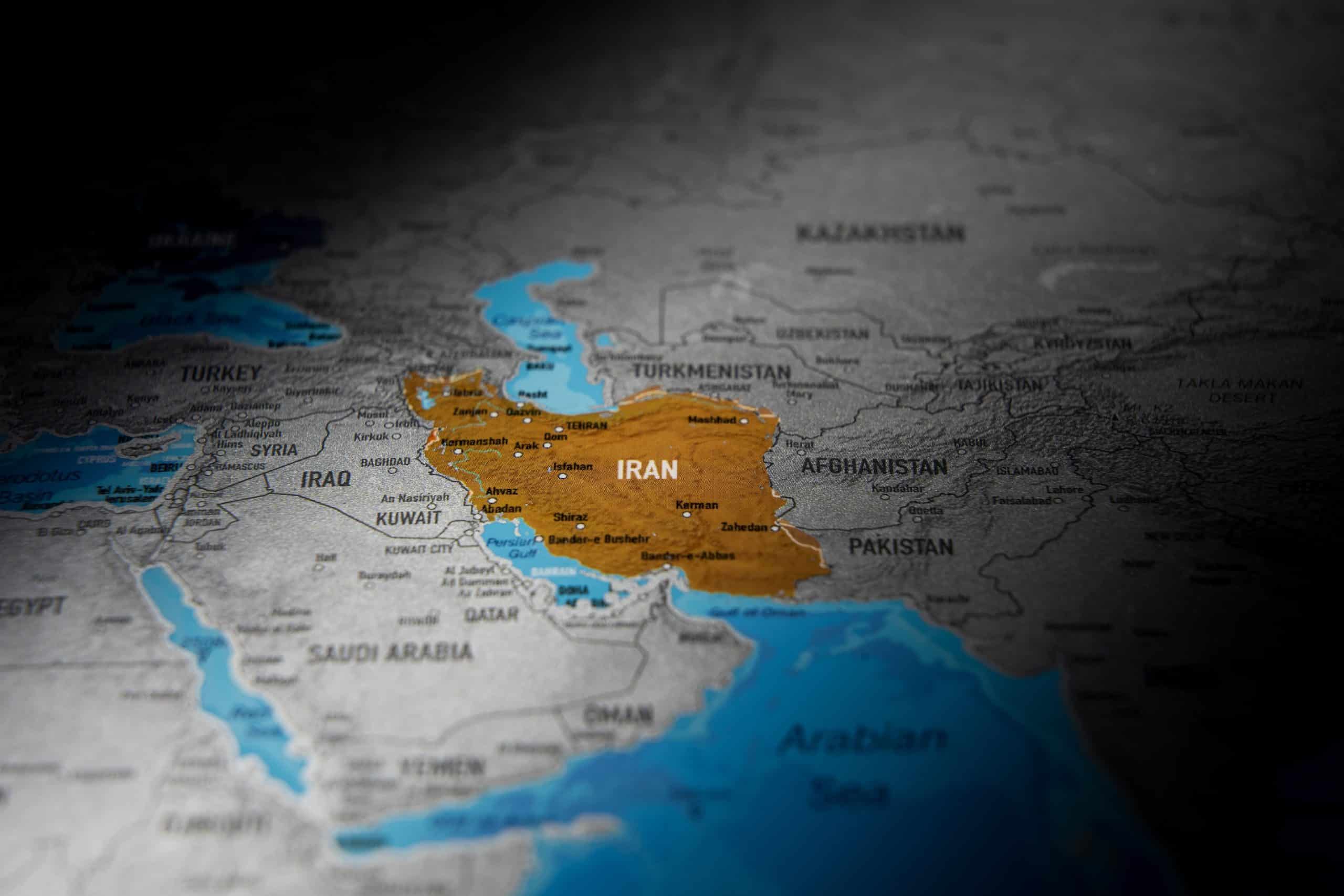
Following the intensification of the Israeli-US military campaign against Iran’s nuclear program in spring 2025, the region stretching from the Gulf to the Mediterranean has entered a new phase of strategic turbulence. Beyond missile strikes, air operations, and tensions over Iran’s nuclear program, the conflict is highlighting a deeper transformation affecting the entire region: the increasing politicization and securitization of connectivity. For decades, globalization has fostered the idea that maritime routes, energy infrastructure, and logistics corridors are relatively stable elements of the global economy. However, in a fragmenting international landscape, this assumption is no longer viable. Rather, it has become a tool for political pressure, strategic coercion, and geopolitical competition.
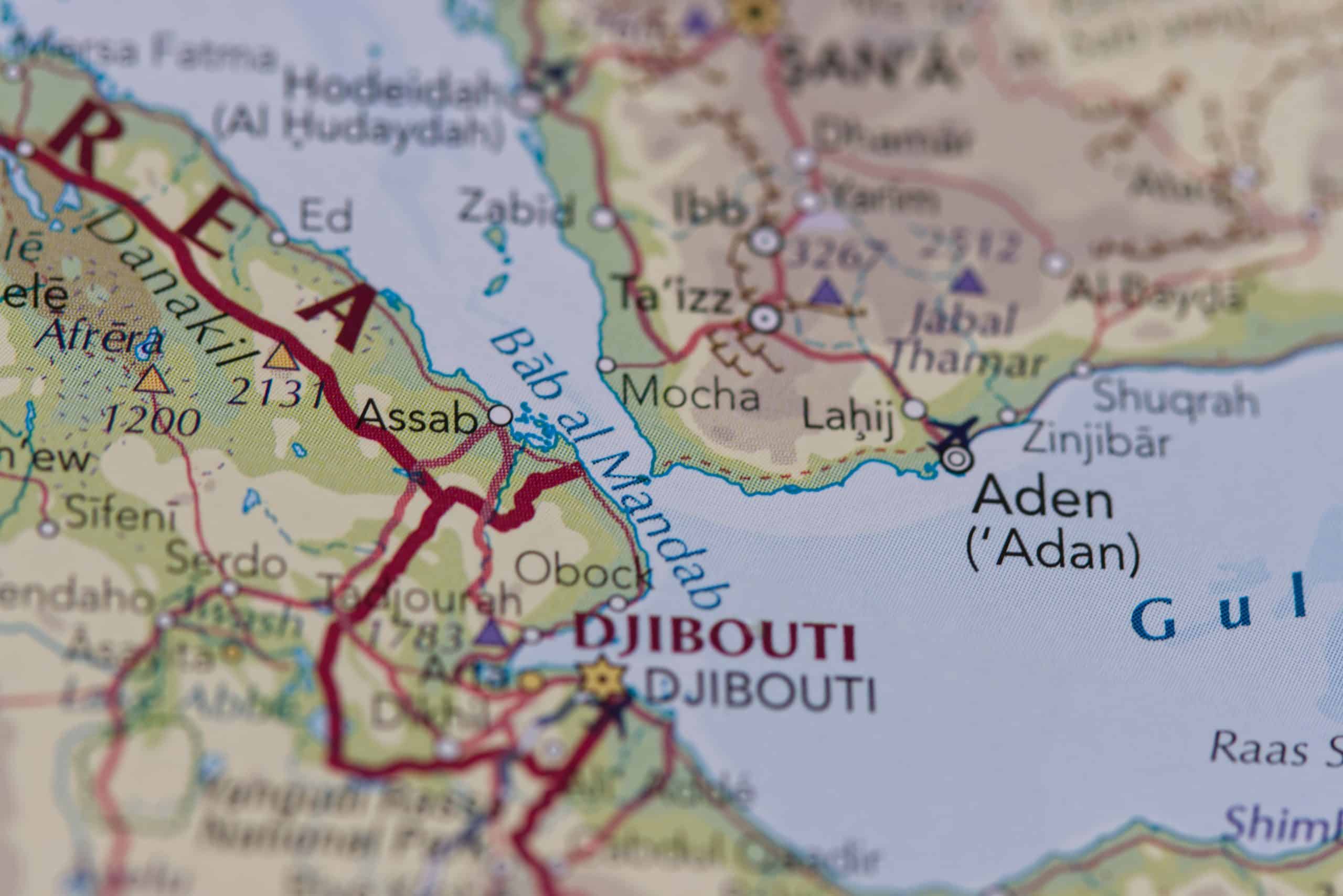
In this context, the Red Sea region (stretching from the Gulf to the Mediterranean via Aden and the Horn of Africa) is likely the most emblematic and significant example. Once celebrated as globalization’s central artery, the region has become one of the primary epicenters of global instability. Since the October 7 terrorist attacks, the corridor has become a strategic battleground. This shift has been driven by Houthi attacks on commercial shipping, the civil war in Sudan, intensifying competition over ports in the Horn of Africa, and the growing involvement of external actors. The Israeli-U.S. conflict with Iran has, in fact, further accelerated these dynamics. Despite sustaining significant military pressure, Tehran continues to maintain a network of regional partners and allies that extends far beyond the Persian Gulf. The Houthis in Yemen provide a similar example of. Despite not controlling the Bab el-Mandeb Strait, they have demonstrated that a non-state actor can cause global economic disruption by forcing shipping companies to reroute around the Cape of Good Hope.
The lesson is that it is no longer necessary to physically close a strait in order to neutralize it, which leads to major concerns for shipping companies, insurers and logistics operators. This is the logic of what might be termed ‘maritime conditionality’: while routes remain open in theory, their practical usability is hostage to the trajectory of regional political and military crises. The strategic implications run deep. Above all, the interdependence between maritime security and political stability in coastal regions is becoming increasingly apparent. The threats to transit corridors, such as the Red Sea, do not originate solely at sea. In fact, they are often the result of land-based conflicts, state fragility and regional rivalries that unfold along the coast. The protracted Yemeni civil war has had a direct impact on global trade. Since the fall of Omar al-Bashir, the conflict in Sudan has destabilized the western Red Sea littoral. Disputes between Ethiopia, Eritrea and Somalia, coupled with the growing strategic importance of ports in the Horn of Africa, demonstrate how infrastructure that initially seems purely commercial can assume an increasingly significant strategic role. These factors confirm a structural reality, namely that the security of chokepoints is inseparable from the stability of their hinterlands.
Moreover, the conflict in Iran has not made critical infrastructure newly important; rather, it has underscored how exposed these long-standing pillars of national security have become to geopolitical pressure. Ports, energy terminals, undersea cables, and logistics networks have always been central to the global economy and to state security. What is changing is the extent to which access to, control over, or disruption of these networks now serves as a source of strategic leverage. Geopolitical competition increasingly centers not only on territorial control, but also on the ability to influence the infrastructures that enable the movement of goods, energy, data, and people. Nowhere is this more visible than along the corridor connecting the Indian Ocean to the Mediterranean. In recent years, countries such as the United Arab Emirates, Saudi Arabia, Qatar, India, Pakistan, and Turkey have expanded their presence in the region through investments in ports, logistics agreements, infrastructure projects, and security partnerships. Economic considerations may not solely explain these investments; rather, they reflect a broader quest for strategic influence and geopolitical depth.
In addition to these countries, of course, China is also investing heavily in the region. Its military base in Djibouti, combined with Beijing’s systematic investment in maritime and submarine infrastructure along the Indo-Mediterranean corridor, signals that the Red Sea has also become a primary theater of great-power competition, not a peripheral one. For Washington, the Red Sea is no longer just a maritime security issue. It is also a measure of American credibility in an emerging multipolar order. These overlapping dynamics make the Red Sea a critical test of Washington’s ability to secure open connectivity in an increasingly contested international order.
In this context, the United States faces two major challenges: ensuring the safety of navigation and preserving the credibility of an international system based on open trade routes and the free flow of goods, energy, and data. How Washington performs on the first one will determine its power and ability on the second. In other words, its capacity to maintain the critical corridors open will serve as an indicator of US’s capacity to uphold the international order that it has helped to establish over the past few decades.
This diagnosis points toward a clear strategic imperative: protecting freedom of navigation and the critical infrastructure that underpins global trade. However, maintaining a naval presence alone will not suffice. The era in which maritime security could be managed through patrols and escort missions will require integrating maritime deterrence, infrastructure resilience, and conflict prevention along its shores in the Red Sea. It also mandates a conceptual shift in how Washington should frame the region. For too long, the Indian Ocean corridor, the Arabian littoral, and the African Red Sea coast have been treated as separate policy domains, leading to establishing different regional bureaus, military command structures, and development frameworks. Recent crises have exposed the limits of treating an interconnected corridor through disconnected policy frameworks. Political instability in Sudan reverberates in Bab el-Mandeb shipping lanes, while competition over port infrastructure in the Horn of Africa shapes the strategic calculations of regional and extra-regional powers. Such a complex and multi-layered threat landscape requires a strategy that treats the Indo-Mediterranean corridor as a single, integrated theatre.
Relying on the military means, such as naval patrols, escort missions, and deterrence operations against maritime instability is necessary, but not sufficient. While the United States will still need to employ these means, building the strategy around a military presence alone may fail to address the root causes. As long as coastal conflicts feed directly into maritime insecurity, no single fleet can fully guarantee the protection of global supply chains.
The strategic challenge, therefore, is not only to defend freedom of navigation in moments of crisis, but to build the resilience needed to keep critical corridors usable under sustained pressure. This requires moving beyond reactive crisis management toward a more integrated approach that connects maritime security, infrastructure protection, and political stabilization along the corridor.
In this sense, the war in Iran is less a rupture than a revelation. It has brought to light a transformation that was already underway: the displacement of territorial control by connectivity as the main currency of geopolitical power. Those who can shape, secure, or threaten the flow of goods, energy, data, and people hold leverage that any purely military advantage cannot replicate. The Red Sea is today the most advanced laboratory for this shift: the transmission belt between the Indian Ocean and the Mediterranean, and the fault line where the logic of globalization and fragmentation collide most violently. Freedom of navigation was once the invisible infrastructure of the global economy, taken for granted precisely because it worked. It is now a politically contested achievement that must be actively defended, or it will be gradually lost.