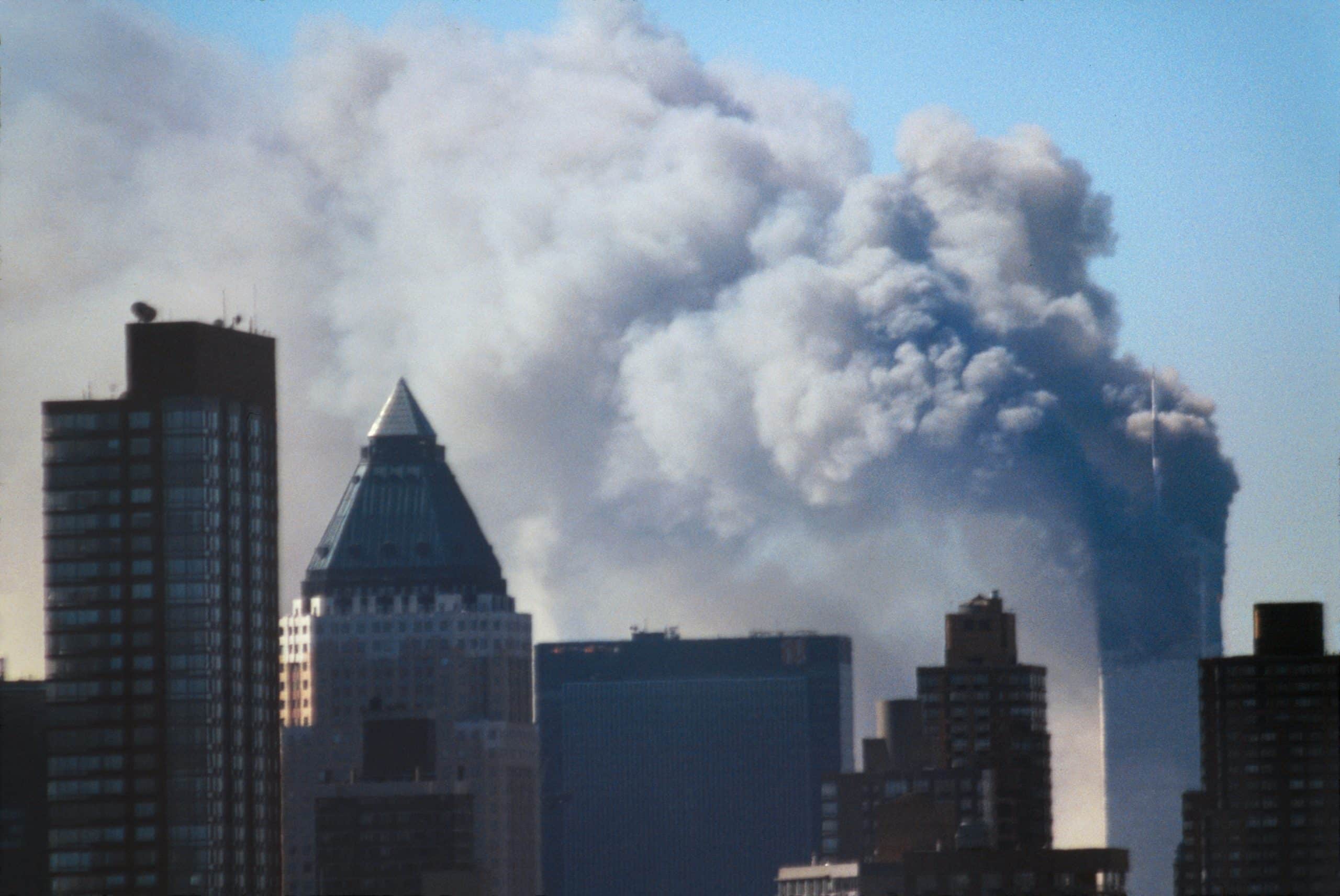
Terrorism and counterterrorism have been significant concerns after terrorist attacks on September 11, 2001, in the United States. The concerns have valid reasons. Currently, the U.S. State Department lists approximately 70 Foreign Terrorist Organizations (FTOs) as of early 2026 [1]. In addition to domestic violent extremist groups, the FTOs pose significant threats to peace at local, regional, and global scales.
When terrorism dominates news on media, it often awakens different emotions within the public. Consequently, governments are expected to respond to terrorism and reassure citizens that such attacks will not recur. This expectation requires the implementation of counterterrorism strategies that are effective rather than symbolic. Yet a fundamental question remains: what truly works in preventing terrorism?
The evaluation research on counterterrorism policies consistently emphasizes the lack of an established theory to inform government responses to terrorism. There is a wide range of counterterrorism responses used by states to deal with the causes and consequences of terrorist activities. Part of this variation results from the lack of one single terrorism framework. For instance, media and politicians use terrorism as a refence to violent extremism or insurgency for the sake of simplicity. However, goals, ideologies and organizations distinguish one form of terrorism from the other.
The counterterrorism responses also vary by major categories, including proactive (preventive) versus reactive (offensive) measures; repressive versus conciliatory actions; short-term versus long-term measures; and measures directed at individuals versus measures directed at groups [1] – [2].
There is a wide array of counterterrorism policy options including intelligence gathering; disruption/dismantling of terrorist plots; target hardening against terrorist attacks; criminal investigation of terrorist incidents; countering violent extremism; increasing public awareness to reduce sympathy for the terrorist cause; protection of critical infrastructure against terrorism; diplomacy, negotiation and concessions; social and political reforms; international cooperation and agreements to combat terrorism; legislative efforts; increasing security expenditures/personnel; repression of civil liberties; coercive versus nonviolent covert operations; military and paramilitary suppression campaigns; and international warfare [3]-[4].
Each policy option has its own pros and cons. The two tables below summarize findings of the evaluation studies from several renown experts and researchers Lum, Kennedy, and Sherley (2006); LaFree and Freilich (2019); United Nations Interregional Crime and Justice Research Institute (2022); National Institute of Justice (2024); Cherney et al. (2023).
Table 1
Repressive Counterterrorism Policy Options by Severity and Effectiveness
| Policy option | Relative severity | Short‑term effectiveness
(attack prevention) |
Long‑term effectiveness
(violence reduction) |
| Target hardening against terrorist attacks | Low | Moderate–High | Low–Moderate |
| Protection of critical infrastructure | Low | Moderate–High | Low–Moderate |
| Intelligence gathering | Moderate | High | Low–Moderate |
| Criminal investigation of terrorist incidents | Moderate | High | Moderate |
| Legislative counterterrorism efforts | Moderate | Moderate | Low–Moderate |
| Increasing security expenditures/personnel | Moderate–High | Moderate | Low |
| Disruption/dismantling of terrorist plots | High | High | Low–Moderate |
| Coercive covert operations | High | Moderate–High | Low |
| Repression of civil liberties | Very high | Moderate | Low (often counterproductive) |
| Military and paramilitary suppression campaigns | Very high | Moderate–High | Low |
| International warfare | Extreme | High (theater‑specific) | Low |
Table 1 orders repressive measures from least to most severe based on coercion, intrusiveness, and civil‑liberties costs. While many repressive policies demonstrate short‑term effects on attack prevention, the empirical literature consistently finds weaker—and sometimes negative—long‑term effects on overall levels of terrorist violence, particularly when repression undermines legitimacy or community trust.
Table 2
Conciliatory Counterterrorism Policy Options by Severity and Effectiveness
| Policy option | Implementation difficulty | Short‑term effectiveness (attack prevention) | Long‑term effectiveness (violence reduction) |
| Increasing public awareness to reduce sympathy | Low | Low–Moderate | Moderate |
| Countering violent extremism (CVE) programs | Low–Moderate | Low–Moderate | Moderate |
| International cooperation and agreements | Moderate | Moderate | Moderate |
| Nonviolent covert operations | Moderate | Moderate | Moderate |
| Diplomacy, negotiation, and concessions | Moderate–High | Low–Moderate | Moderate–High |
| Social and political reforms | High (transformative) | Low | High |
Conciliatory measures focus on prevention, legitimacy, and grievance reduction rather than repression. These policies generally show weaker short‑term effects on immediate attack prevention. However, they are more consistently associated with sustained reductions in terrorism over time, especially when combined with community trust, political inclusion, and institutional reform.
Undoubtedly, each policy option, be it repressive or conciliatory, entails financial costs for taxpayers and require significant resource allocations by decision-makers. However, the extant literature on countering terrorism agrees on one point: a country’s local communities are crucial to effectiveness of counter terrorism policies [3]. Furthermore, community trust is the primary variable for prevention success.
While repressive actions (indiscriminate large-scale arrests or military campaigns) often relate to subsequent increases in terror, conciliatory actions (reforms, diplomacy) are more frequently related to decreases in violence over time. Relying solely on military operations in counterterrorism results in the “boomerang effect” that is a counterproductive cycle where repressive counterterrorism actions intended to diminish a threat actually trigger an increase in subsequent violence [5] – [6]. Military operations are very likely to harm civilians and erode legitimacy, which deepens grievances and facilitate terrorist recruitment.
Another important consideration is the impact of globalization and increased interconnectedness on the spillover effects of terrorism. Since the Arab Spring, large-scale migration has become a defining feature of contemporary life, particularly in Western countries. On the other hand, immigrant and diaspora communities form an integral part of the social fabric of the United States and many European states. Given that repressive policies in one part of the world can exacerbate grievances, heavy-handed measures in one region are likely to influence patterns of radicalization and political violence elsewhere, with the impact of globalization and increased interconnectedness. For instance, a recent NIJ synthesis (2024) documents how digital platforms transmit distant grievances into domestic radicalization pathways.
In conclusion, the evidence-based review in this brief converges on a clear lesson: highly repressive policy options such as military suppression and warfare can prevent attacks in the short run but rarely delivers durable reductions in terrorism. Repression may produce backlash and diffusion effects. By contrast, policies that raise the expected utility of abstaining from violence (e.g., diplomacy, inclusion, institutional reform, and community‑based prevention) are more consistently associated with long‑term declines in terrorism.
Ultimately, the crucial aspect of any policy option is its implementation with legitimacy and trust. “Force‑first approaches” tend to magnify transnational risk rather than contain it. Winning hearts and minds is not a slogan—it is a risk‑reduction strategy.